
A laser cutting machine and CNC press brake are two of the most important machines in modern sheet metal fabrication. The laser cutting machine is mainly used for accurate flat cutting based on drawings, while the press brake is used to bend the cut parts into three-dimensional shapes.
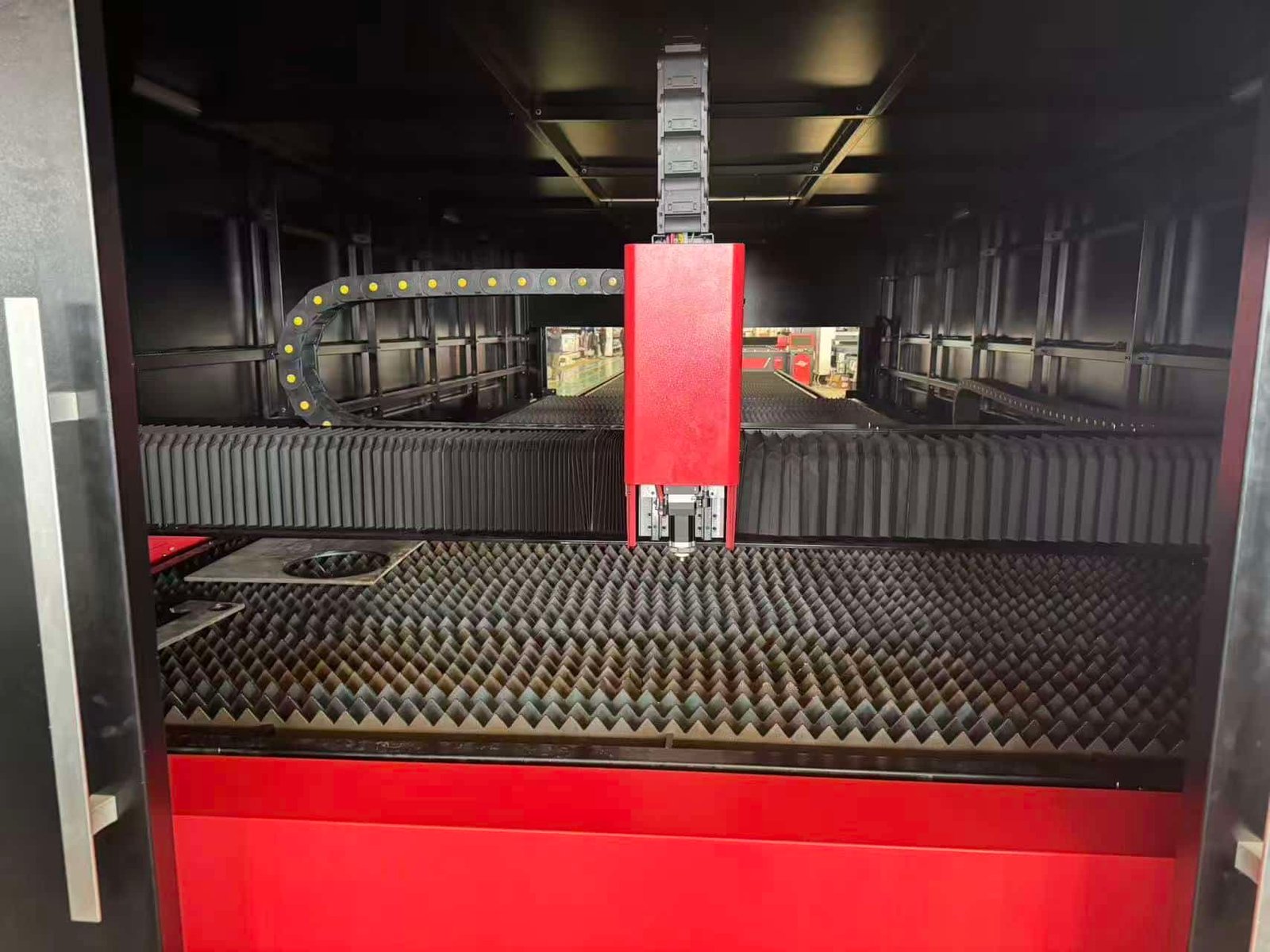
In a metal fabrication workshop, cutting and bending should not be considered as two separate processes. If the cutting accuracy is poor, the bending result will also be affected. If the press brake tonnage, tooling, backgauge, or bending sequence is not suitable, even accurately cut parts may fail during forming.
For sheet metal factories, electrical cabinet manufacturers, elevator parts suppliers, automotive parts factories, and construction metal workshops, the combination of a laser cutting machine and a CNC press brake can improve cutting accuracy, bending consistency, production efficiency, and final part quality.
This article explains how laser cutting machines and press brakes work together in sheet metal fabrication, and what customers should consider when selecting equipment for a complete production process.
1. Why Laser Cutting and Bending Are Often Used Together
Most sheet metal parts are not finished after cutting. They usually need bending, forming, welding, assembly, and inspection before becoming finished products.
A laser cutting machine solves the first key problem:
accurate flat blanking.
It cuts metal sheets according to drawings, including straight lines, curves, holes, slots, and complex shapes. Compared with traditional cutting methods, fiber laser cutting is faster, more accurate, and more flexible for different part designs.
A press brake solves the second key problem:
accurate three-dimensional forming.
After the flat parts are cut, the press brake bends them into angles, boxes, frames, brackets, covers, doors, enclosures, and other formed components.
In a complete metal fabrication workshop, laser cutting and bending are closely connected. Good cutting accuracy helps improve bending accuracy. Proper bending equipment helps turn flat sheet metal parts into stable finished products.
2. What Does a Laser Cutting Machine Do?
A fiber laser cutting machine is used to cut sheet metal or tube metal with high accuracy and efficiency. It is especially suitable for factories that need complex shapes, many part variations, and fast production.
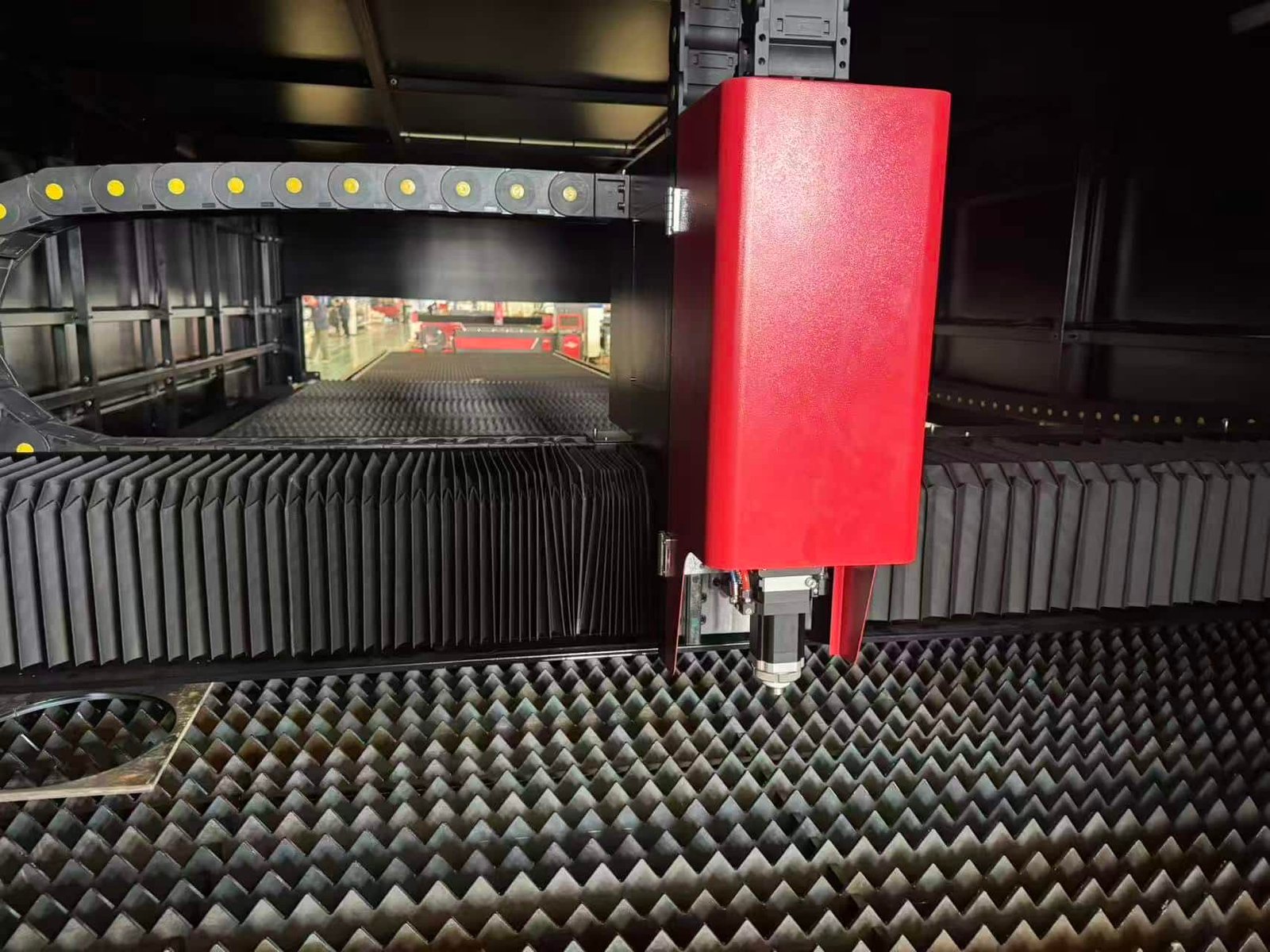
A laser cutting machine can process materials such as:
- Carbon steel
- Stainless steel
- Aluminum
- Galvanized steel
- Brass and copper, depending on machine configuration
The main purpose of laser cutting is to create accurate flat parts before bending.
Laser cutting is commonly used for:
- Electrical cabinet panels
- Elevator parts
- Automotive components
- Machinery covers
- Metal enclosures
- Brackets and frames
- Construction metal parts
- Custom sheet metal components
When choosing a laser cutting machine, customers should consider material type, maximum cutting thickness, sheet size, required accuracy, cutting speed, laser power, and production volume.
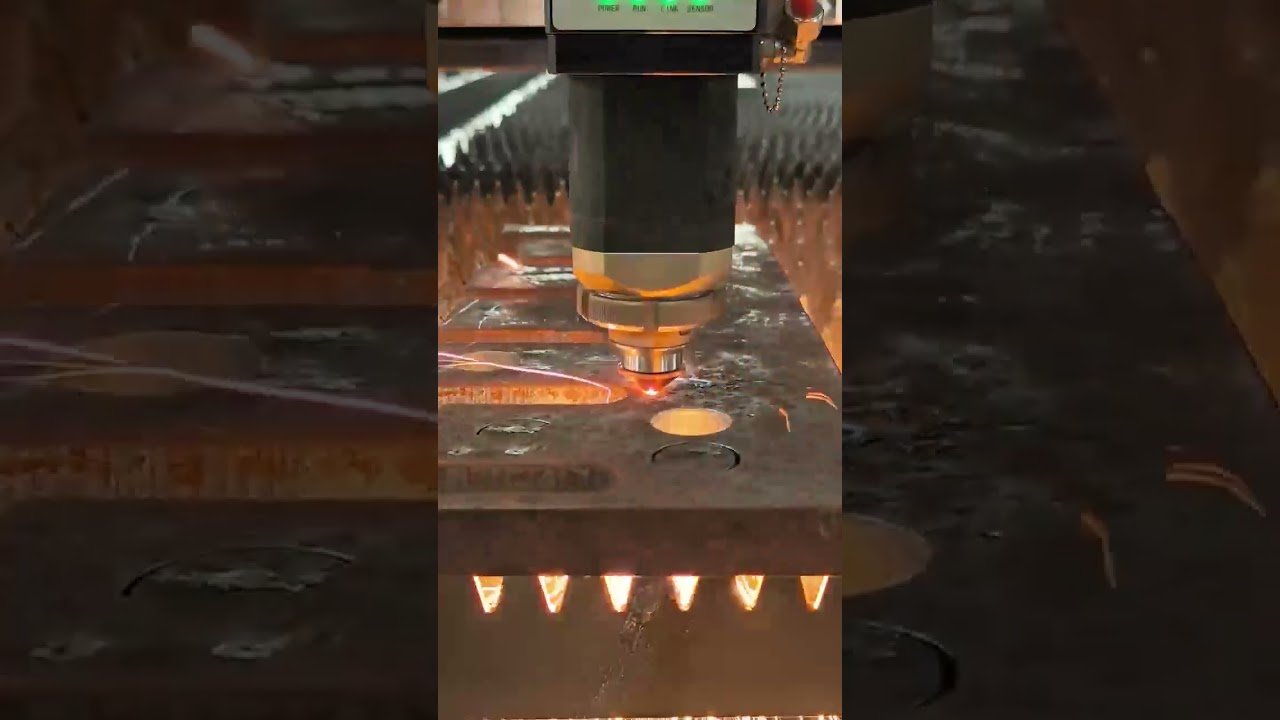
If the laser power is too low, thick plates may not cut smoothly or efficiently. For example, if a customer needs to cut carbon steel within 25 mm and stainless steel within 16 mm, a 6000W fiber laser cutting machine may be considered, depending on the required cutting speed, edge quality, and production capacity.
3. What Does a Press Brake Do After Cutting?
After the laser cutting machine cuts the flat parts, the CNC press brake bends the parts according to drawings.
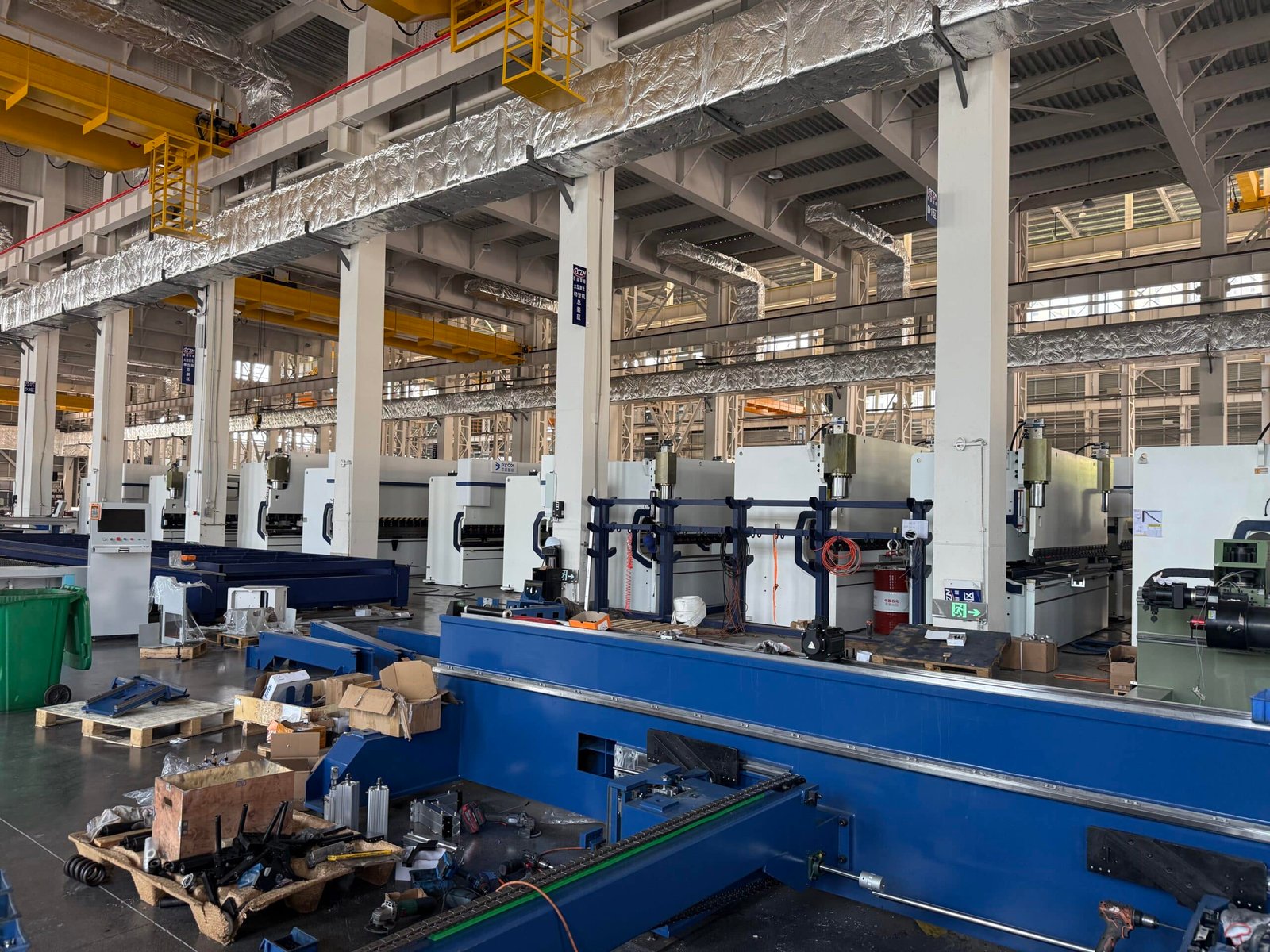
A press brake is used to form:
- U-shaped parts
- L-shaped brackets
- Box-type parts
- Electrical cabinet components
- Elevator panels
- Structural metal parts
- Automotive sheet metal parts
- Construction metal components
The press brake controls bending angle, bending length, flange size, and forming accuracy. Its performance depends on several factors:
- Bending tonnage
- Working length
- CNC control system
- Backgauge positioning
- Tooling selection
- Crowning compensation
- Hydraulic system
- Operator settings
- Material thickness and strength
If the press brake tonnage is not enough, the machine may not bend the material properly. If the backgauge is not accurate, the part size may be inconsistent. If the tooling is not suitable, the bending angle, radius, or surface quality may not meet the required standard.
For factories that need stable and accurate bending, DG Bending Machine recommends suitable press brake models such as the PSB Main Servo Electro-Hydraulic Synchronous CNC Press Brake and the PSA Electro-Hydraulic Synchronous CNC Press Brake, based on material thickness, bending length, accuracy requirements, and production volume.
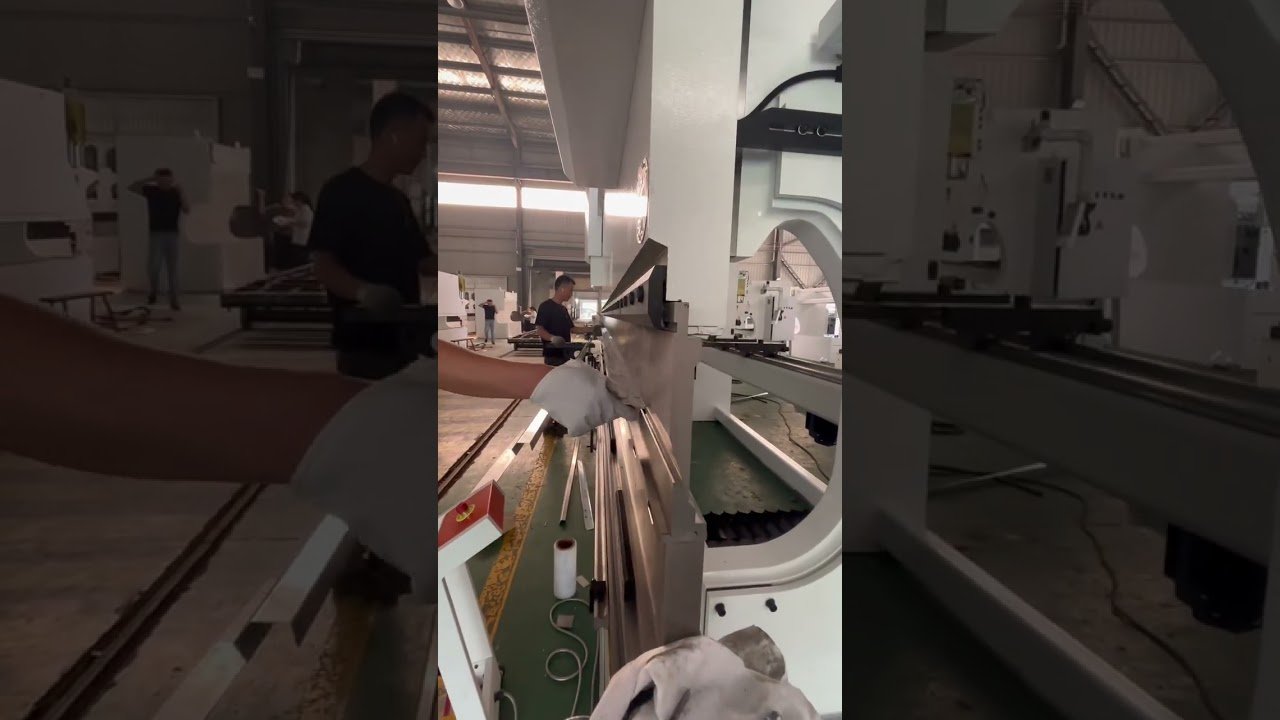
4. Laser Cutting Machine vs Press Brake: Function Comparison
Laser cutting machines and press brakes do different jobs in the same production process. One cannot replace the other.
| Item | Laser Cutting Machine | CNC Press Brake |
|---|---|---|
| Main Function | Cuts flat sheet metal parts | Bends flat parts into 3D shapes |
| Processing Stage | Before bending | After cutting |
| Main Requirement | Cutting accuracy and edge quality | Bending accuracy and angle consistency |
| Key Selection Factors | Laser power, cutting thickness, sheet size, speed | Tonnage, working length, tooling, backgauge |
| Typical Output | Flat blanks, holes, slots, profiles | Bent parts, brackets, boxes, panels |
| Common Problem | Cannot cut thick plate efficiently if power is too low | Cannot bend properly if tonnage is too low |
| Main Application | Accurate blanking and complex shapes | Forming and bending sheet metal parts |
| Best Used With | Press brake, deburring, welding | Laser cutting, shearing, V grooving |
A laser cutting machine creates the correct flat shape. A press brake gives the part its final form.
For many customers, the real challenge is not choosing one machine, but matching both machines properly.
5. Standard Process: From Cutting to Bending
A typical laser cutting and bending process can be:
Material Preparation → Laser Cutting → Deburring → Bending → Inspection → Assembly
Step 1: Material Preparation
Before cutting, the factory should confirm the material type, thickness, sheet size, and surface condition.
Different materials have different cutting and bending requirements. Stainless steel, carbon steel, aluminum, and galvanized steel may require different laser parameters and bending settings.
Step 2: Laser Cutting
The laser cutting machine cuts the parts according to CAD drawings. Accurate cutting is important because the flat size directly affects the final bending result.
If the developed flat size is wrong, the bending size will also be wrong.
Step 3: Deburring
After cutting, some parts may need deburring or edge cleaning. A clean edge helps improve handling, welding, assembly, and final part quality.
Step 4: Bending
The press brake bends the cut parts according to the bending sequence. The operator or CNC program must consider bending angle, tooling, flange size, backgauge position, and material springback.
Step 5: Inspection
After bending, the factory should check dimensions, angles, hole positions, surface quality, and assembly fit.
Step 6: Assembly
The bent parts may then go to welding, riveting, fastening, surface treatment, or final assembly.
This complete process is common in applications such as electrical cabinets, elevator manufacturing, automotive parts, machinery covers, and construction metal components.
6. Why Cutting Accuracy Affects Bending Accuracy
Many customers think bending accuracy only depends on the press brake. In reality, cutting accuracy also plays a major role.
If the laser cutting size is inaccurate, several problems may appear during bending:
- Flange size becomes incorrect
- Hole position shifts after bending
- Parts cannot assemble properly
- Bending line position is wrong
- Final product dimensions are unstable
- More rework is required
For example, if an electrical cabinet panel is cut incorrectly, the bending angle may still look correct, but the final cabinet size may not match the assembly requirement.
This is why laser cutting accuracy and press brake accuracy must work together. Accurate cutting helps create a stable bending foundation. Accurate bending completes the final product shape.
7. Common Customer Problems in Cutting and Bending
In real production, many factories face problems because their machines do not match their production requirements.
Common problems include:
1. The laser cutting machine cannot cut thick plates efficiently
This usually happens when the selected laser power is too low for the required material thickness. Thick carbon steel or stainless steel needs suitable laser power, assist gas, cutting parameters, and machine stability.
2. The old shearing machine is too slow or not flexible enough
A shearing machine is good for straight-line cutting, but it cannot cut complex shapes, holes, curves, or small detailed parts like a laser cutting machine.
3. The press brake bending speed is too slow
This may be caused by outdated equipment, inefficient backgauge movement, manual setup, poor tooling preparation, or insufficient operator experience.
4. Bending accuracy is not stable
Angle error may come from poor crowning compensation, wrong tooling, material variation, insufficient tonnage, backgauge error, or hydraulic instability.
5. Cutting and bending capacity do not match
If the laser cutting machine is fast but the bending process is slow, parts may accumulate before bending. If the press brake has high capacity but cutting is too slow, the press brake may wait for material.
6. Too much manual handling
Poor workshop layout can increase labor cost and reduce production efficiency. Cutting, bending, inspection, and assembly should be arranged logically.
A professional machine solution should consider the whole production process, not only one machine.
8. How to Match Laser Power and Press Brake Tonnage
This article does not focus on formulas, but the basic principle is simple:
Laser power should match material thickness and cutting speed.
Press brake tonnage should match material thickness, bending length, material strength, and tooling.
For laser cutting, customers should provide:
- Material type
- Maximum thickness
- Sheet size
- Cutting accuracy requirement
- Cutting speed expectation
- Production volume
For press brake selection, customers should provide:
- Material type
- Maximum thickness
- Maximum bending length
- Product drawings
- Bending angle
- Required accuracy
- Daily production quantity
- Tooling requirements
If a customer only says “we need a laser cutting machine and press brake,” the supplier cannot recommend the right configuration accurately. The correct selection must be based on real production data.
9. How to Avoid Capacity Mismatch
A common mistake is buying machines separately without considering production balance.
For example:
- The laser cutting machine can cut parts very fast, but the press brake cannot bend fast enough.
- The press brake can handle large workpieces, but the laser cutting machine cannot cut the required sheet size.
- The laser power can cut thin sheets efficiently, but cannot handle thick plates required by future orders.
- The press brake tonnage is enough for thin sheets, but not enough for thicker structural parts.
To avoid these problems, customers should evaluate:
- Current product types
- Future order types
- Cutting thickness range
- Bending thickness range
- Cutting speed
- Bending cycle time
- Number of operators
- Workshop layout
- Production bottlenecks
- Budget and upgrade plan
For a new metal fabrication workshop, equipment planning should start from the full workflow.
10. Industries That Commonly Use Laser Cutting and Press Brake Together
Laser cutting and press brake bending are widely used in many industries.
Metal Fabrication Workshops
General metal fabrication workshops often handle different materials, thicknesses, and product types. They need flexible cutting and bending equipment.
Automotive Manufacturing
In automotive manufacturing, laser cutting and bending are used for brackets, covers, frames, and sheet metal components that require accuracy and repeatability.
Elevator Manufacturing
In elevator manufacturing, cutting accuracy and bending consistency are important for panels, doors, covers, and stainless steel parts.
Construction Manufacturing
In construction manufacturing, laser cutting and press brake bending are used for structural metal parts, panels, brackets, and building components.
Electrical Cabinet and Enclosure Production
Electrical cabinets and enclosures require accurate cutting, holes, slots, bending angles, and assembly dimensions. Laser cutting and press brake bending are often the core production combination.
11. Recommended DG Bending Machine Solutions
DG Bending Machine can recommend equipment based on customer production requirements, including material type, thickness, cutting size, bending length, accuracy, capacity, automation needs, and budget.
Fiber Laser Cutting Machine
A fiber laser cutting machine is suitable for accurate and efficient sheet metal cutting. It is recommended for customers who need complex cutting shapes, high cutting accuracy, and flexible production.
CNC Press Brake
A CNC press brake is suitable for bending cut parts into final shapes. It is one of the most important machines in sheet metal fabrication.
PSB Main Servo Electro-Hydraulic Synchronous CNC Press Brake
The PSB model is suitable for customers who need stable bending accuracy, high efficiency, energy-saving operation, and reliable hydraulic performance.
PSA Electro-Hydraulic Synchronous CNC Press Brake
The PSA model is suitable for customers who need practical electro-hydraulic synchronization, stable bending performance, and reliable industrial production capability.
A complete equipment solution may also include shearing machines, V grooving machines, panel benders, punching machines, welding equipment, and other supporting machines.
12. What Information Should You Provide Before Buying?
To recommend the right laser cutting and bending solution, customers should provide:
- Material type
- Maximum cutting thickness
- Maximum bending thickness
- Sheet size
- Cutting shapes
- Bending length
- Product drawings
- Accuracy requirements
- Production capacity
- Current production problems
- Workshop layout
- Budget range
- Whether automation is required
With this information, the supplier can help select suitable laser power, press brake tonnage, working length, CNC control system, tooling, and equipment layout.
If your factory is planning to upgrade machines or build a new production line, you can contact DG Bending Machine for machine configuration support.
FAQ
1. Do I need to buy a laser cutting machine and press brake together?
Not always. It depends on your production process. If your factory needs both accurate cutting and bending, using a laser cutting machine and press brake together can improve production efficiency and part quality. If you already have cutting equipment, you may only need to upgrade the press brake, or vice versa.
2. Does laser cutting accuracy affect bending accuracy?
Yes. Cutting accuracy affects flat part size, hole position, bending line position, and final assembly. If the cutting size is wrong, the bending result and final product dimensions may also be wrong.
3. How do I match laser power and press brake tonnage?
Laser power should be selected based on material type, maximum cutting thickness, cutting speed, and production capacity. Press brake tonnage should be selected based on material thickness, bending length, material strength, tooling, and drawings.
4. Can a shearing machine replace a laser cutting machine?
A shearing machine is suitable for straight-line cutting, but it cannot replace a laser cutting machine for complex shapes, holes, curves, or high-flexibility production. Many factories use both machines for different cutting needs.
5. What happens if cutting and bending capacity do not match?
If cutting is faster than bending, parts may accumulate before the press brake. If bending is faster than cutting, the press brake may wait for material. A balanced equipment configuration helps improve total workshop efficiency.
6. What information should I send for machine selection?
You should send material type, thickness, sheet size, cutting drawings, bending drawings, production capacity, accuracy requirements, workshop layout, and budget. These details help the supplier recommend suitable equipment.
Conclusion
A laser cutting machine and press brake work together as one of the most important equipment combinations in sheet metal fabrication. The laser cutting machine provides accurate flat cutting, while the CNC press brake completes bending and three-dimensional forming.
For metal fabrication workshops, electrical cabinet factories, elevator manufacturers, automotive parts suppliers, and construction metal processing companies, choosing the right cutting and bending equipment can improve accuracy, reduce rework, increase efficiency, and support stable production.
The best solution should be based on material type, thickness, cutting size, bending length, drawings, production capacity, accuracy requirements, budget, and workshop layout.
If you need help choosing a laser cutting machine, CNC press brake, or complete sheet metal fabrication solution, please provide your material type, plate thickness, cutting size, bending length, drawings, production requirements, and budget. Contact DG Bending Machine to discuss the right equipment configuration for your workshop.