
Press brake hydraulic oil directly affects machine stability, bending accuracy, hydraulic pressure, and the service life of key components.
When discussing press brake performance, many manufacturers focus on machine specifications, CNC controllers, tooling quality, or bending capacity. However, one critical factor is often overlooked: hydraulic oil.
Hydraulic oil is the lifeblood of a hydraulic press brake. Its condition directly affects machine stability, bending accuracy, production efficiency, and the overall lifespan of key hydraulic components. Even a high-quality press brake can experience performance issues if the hydraulic oil is contaminated, degraded, or improperly maintained.
Understanding the role of hydraulic oil and implementing proper maintenance practices can help manufacturers reduce downtime, improve product quality, and extend equipment life.
Hydraulic press brakes are widely used in modern metal fabrication workshops and industries such as automotive manufacturing, aerospace manufacturing, elevator production, shipbuilding, and construction equipment manufacturing, where stable hydraulic performance is essential for maintaining product quality.
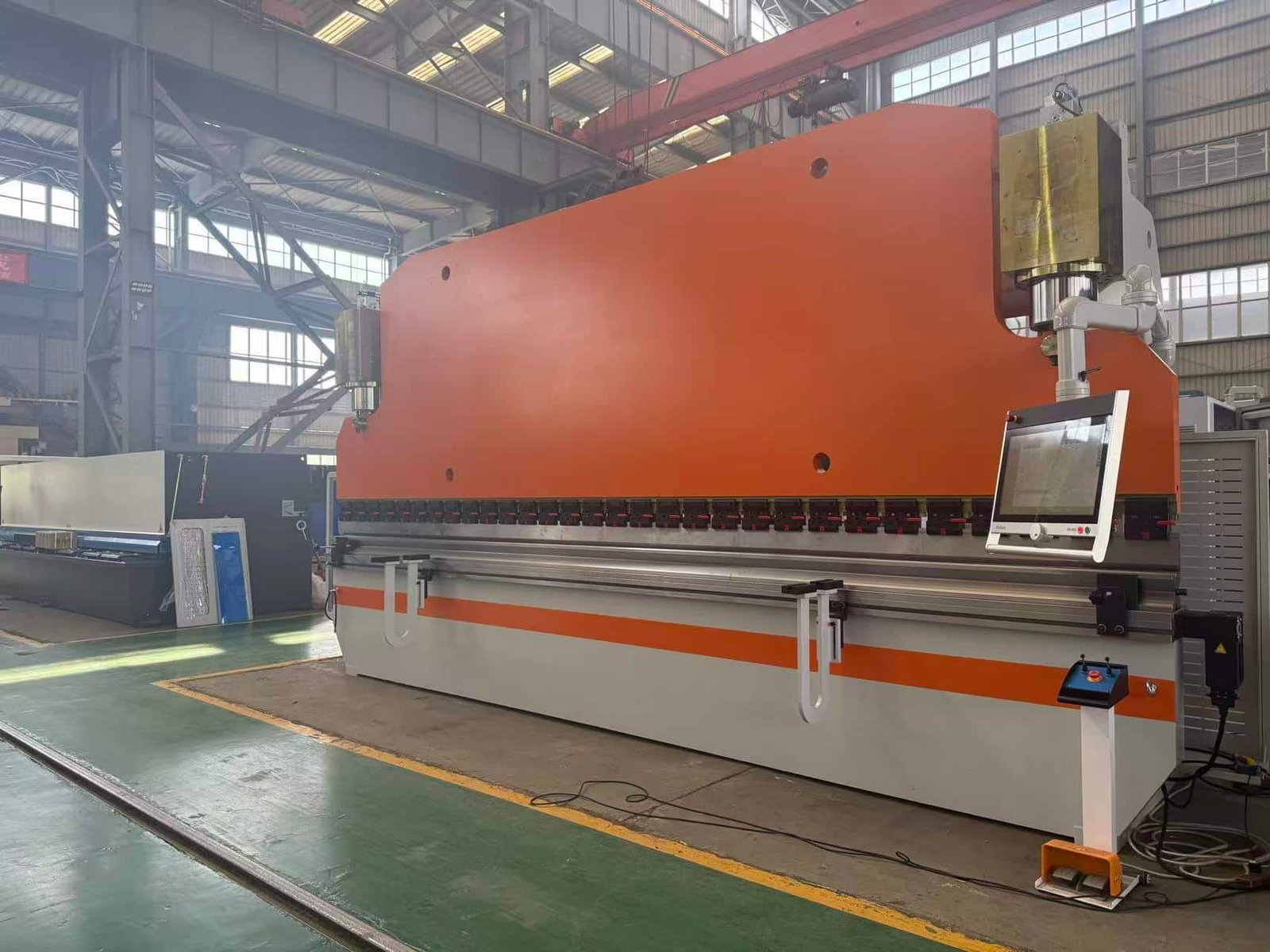
When press brake hydraulic oil is contaminated, aged, or unsuitable for the working environment, the machine may experience unstable movement, angle deviation, and increased maintenance problems.
The Role of Hydraulic Oil in a Press Brake
A hydraulic press brake relies on hydraulic oil to transfer power throughout the system. Without properly functioning hydraulic oil, the machine cannot maintain consistent pressure or precise ram movement.
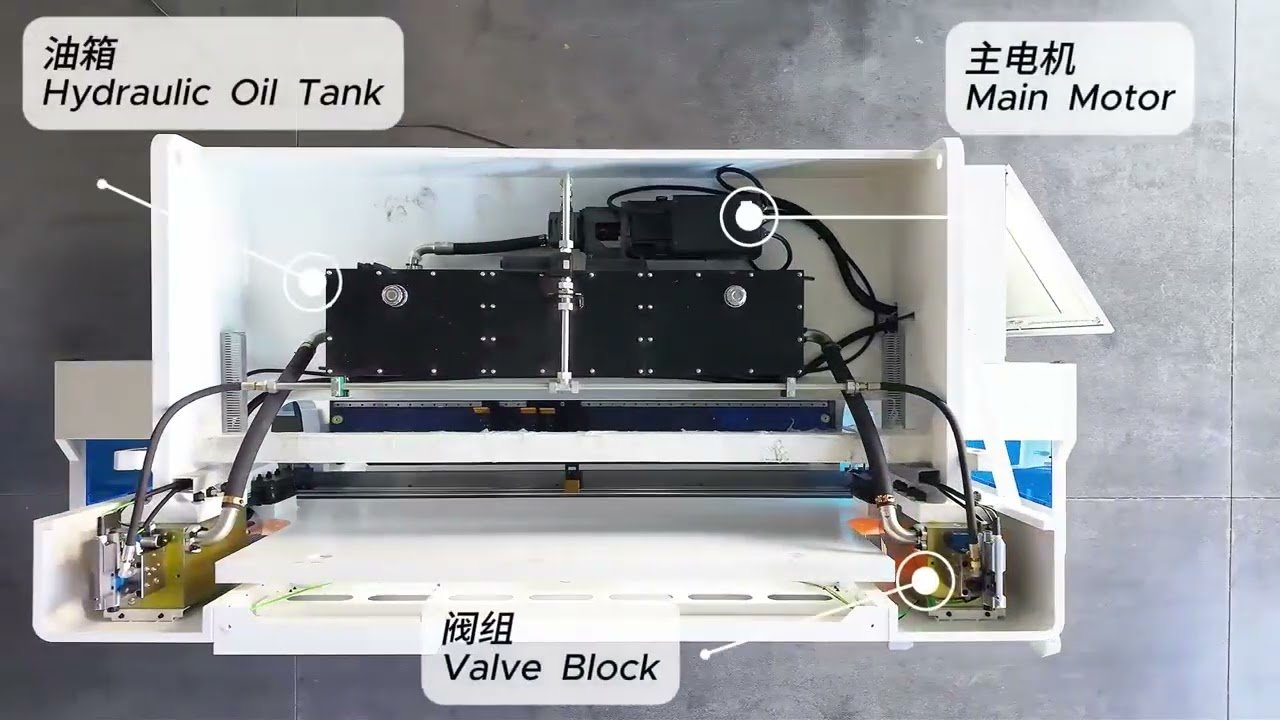
Providing Hydraulic Power
Hydraulic oil serves as the medium that transmits force from the hydraulic pump to the cylinders. This force enables the ram to move up and down during the bending process.
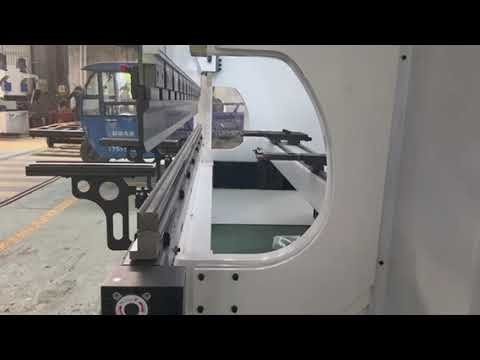
Controlling Cylinder Movement
The hydraulic system regulates the movement of the cylinders through valves and pressure controls. Stable oil flow ensures smooth and accurate ram positioning.
Maintaining Stable System Pressure
Consistent hydraulic pressure is essential for achieving repeatable bending results. Hydraulic oil helps maintain pressure stability throughout the entire bending cycle.
Lubrication and Heat Dissipation
In addition to power transmission, hydraulic oil lubricates internal components such as pumps, valves, and cylinders. It also helps dissipate heat generated during machine operation, preventing excessive wear and overheating.
In a complete sheet metal production line, hydraulic press brakes often work together with shearing machines and laser cutting machines, making hydraulic system reliability critical for overall production efficiency.
Why Hydraulic Oil Affects Press Brake Stability
The hydraulic system is responsible for controlling the movement and force of the press brake ram. Any change in hydraulic oil condition can directly impact machine performance.
Pressure Fluctuations Cause Angle Variations
Stable hydraulic pressure is necessary for maintaining consistent bending angles. If pressure fluctuates due to oil contamination or degradation, the machine may produce inconsistent bend angles across different workpieces.
Oil Temperature Influences Hydraulic Performance
Hydraulic oil viscosity changes with temperature. Excessively high temperatures can reduce viscosity, while low temperatures can make the oil too thick. Both situations can negatively affect system performance and bending accuracy.
Slower Hydraulic Response
Poor-quality or aged hydraulic oil may reduce the responsiveness of valves and cylinders. Operators may notice slower ram movement or delayed machine reactions during operation.
Reduced Accuracy During Long Production Runs
As hydraulic oil deteriorates, pressure stability may decrease over time. During extended production cycles, this can lead to gradual accuracy loss and inconsistent bending results.
Manufacturers serving demanding industries listed in our applications page often pay close attention to hydraulic system maintenance because even small deviations can affect final product quality.
Common Hydraulic Oil Problems
Several hydraulic oil issues can affect press brake performance if not addressed promptly.
Hydraulic Oil Contamination
Dust, metal particles, moisture, and other contaminants can enter the hydraulic system through worn seals, improper maintenance, or environmental exposure. Contaminated oil accelerates component wear and reduces system efficiency.
Oil Aging
Over time, hydraulic oil naturally degrades due to heat, oxidation, and continuous operation. Aged oil loses its lubrication and pressure-maintaining properties, increasing the risk of equipment failure.
Incorrect Viscosity
Using hydraulic oil with unsuitable viscosity can create operational problems. Oil that is too thick may restrict flow, while oil that is too thin may fail to maintain adequate pressure.
Excessive Oil Temperature
High operating temperatures can accelerate oil degradation and reduce lubrication effectiveness. Overheated oil may also cause unstable hydraulic pressure.
Low Oil Level
Insufficient hydraulic oil can introduce air into the system and reduce pressure stability. Low oil levels may also increase pump wear and operating noise.
Air or Water Contamination
Air bubbles can cause erratic hydraulic performance, while water contamination may lead to corrosion and reduced lubrication. Both issues can significantly affect machine reliability.
Equipment Problems Caused by Hydraulic Oil Issues
Hydraulic oil problems often manifest as machine performance issues that directly impact production quality.
Bending Angle Errors
Pressure instability can cause inconsistent bending angles, resulting in rejected parts and increased material waste.
Unstable Ram Movement
Contaminated or degraded oil may cause jerky or uneven ram movement, affecting bending precision.
Increased System Noise
Hydraulic pumps and valves may generate excessive noise when operating with contaminated oil, low oil levels, or air contamination.
Slow Cylinder Response
Poor oil condition can reduce hydraulic efficiency, causing cylinders to respond more slowly than normal.
Valve Wear
Contaminants circulating through the hydraulic system can accelerate wear on precision valves, leading to costly repairs.
Reduced Hydraulic Pump Lifespan
Hydraulic pumps rely on clean, properly lubricated oil. Poor oil quality increases friction and wear, shortening pump service life.
These issues can affect not only press brakes but also other sheet metal processing equipment such as hydraulic shearing machines used in fabrication workshops.
How to Choose the Right Hydraulic Oil
Selecting the correct hydraulic oil is essential for maintaining stable machine performance.
Choose According to Machine Specifications
Always follow the hydraulic oil recommendations provided by the press brake manufacturer. Using the specified oil helps ensure optimal system performance.
Select Viscosity Based on Ambient Temperature
Environmental conditions play an important role in hydraulic oil selection. Different climates require different viscosity grades to maintain stable operation.
Use Reputable Hydraulic Oil Brands
High-quality hydraulic oils typically offer better oxidation resistance, lubrication performance, and contamination control compared to low-cost alternatives.
Consider Climate Conditions in Different Regions
Manufacturers operating in cold climates may require lower-viscosity oils for easier startup, while facilities in hot regions may need oils designed for higher operating temperatures.
When purchasing new equipment, it is also important to consult experienced manufacturers. Learn more about our company and manufacturing capabilities on our About Us page.
Daily Hydraulic System Maintenance Recommendations
Preventive maintenance is one of the most effective ways to ensure long-term press brake reliability.
Replace Hydraulic Oil Regularly
Follow the manufacturer’s maintenance schedule and replace hydraulic oil at recommended intervals. Regular oil replacement helps maintain system cleanliness and performance.
Monitor Oil Temperature and Oil Level
Operators should routinely check oil temperature and reservoir levels to identify potential issues before they become serious problems.
Clean or Replace Filters
Hydraulic filters play a critical role in removing contaminants. Dirty filters reduce system efficiency and may allow harmful particles to circulate through the system.
Inspect for Leaks
Hydraulic leaks can lead to pressure loss, contamination, and increased operating costs. Regular inspections help prevent unexpected downtime.
Check Hydraulic Pressure Periodically
Monitoring system pressure allows maintenance personnel to identify abnormalities and address potential problems early.
For more industry insights and equipment maintenance articles, visit our News & Updates section.
Real Factory Experience
One manufacturing customer experienced inconsistent bending angles during daily production. Operators initially suspected tooling wear and CNC programming errors, but neither was found to be the root cause.
After a detailed inspection of the hydraulic system, technicians discovered that the hydraulic oil had become heavily contaminated and had exceeded its recommended service life. The degraded oil caused pressure fluctuations during the bending process, resulting in inconsistent ram performance.
The maintenance team replaced the hydraulic oil, cleaned the hydraulic reservoir, and installed new filters. After the maintenance work was completed, the machine’s pressure stability improved significantly.
As a result, bending accuracy returned to normal levels, production consistency improved, and the customer reported a noticeable reduction in machine downtime.
This case demonstrates how hydraulic oil condition can directly affect press brake performance and why regular maintenance should never be overlooked.
Similar maintenance practices are commonly adopted by manufacturers in the automotive, aerospace, and elevator manufacturing sectors, where precision and consistency are critical.
Conclusion
A stable hydraulic system is one of the most important foundations for achieving accurate bending results and maximizing press brake lifespan. Hydraulic oil not only transfers power but also lubricates components, controls pressure stability, and helps regulate operating temperatures.
Ignoring hydraulic oil maintenance can lead to bending inaccuracies, increased component wear, unexpected downtime, and higher operating costs. By selecting the correct hydraulic oil and following a regular maintenance schedule, manufacturers can improve machine reliability and maintain consistent production quality.
If you are looking for reliable sheet metal fabrication equipment, explore our complete range of press brakes, shearing machines, and laser cutting machines.
For project consultation, machine recommendations, or technical support, please contact our team. We are ready to help you improve equipment performance, optimize production efficiency, and reduce manufacturing risks.
“`