Hydraulic Shearing Machine is an important solution for sheet metal cutting in metal fabrication industries.
However, choosing the right machine is not only about selecting the maximum cutting thickness.
The correct configuration depends on material type, cutting length, accuracy requirements, production volume, and future processing needs.
For sheet metal factories, steel processing companies, and industrial manufacturers, a suitable shearing machine can improve cutting quality, reduce material waste, and provide stable production performance.
This guide explains how to choose a hydraulic shearing machine, including cutting capacity, blade clearance, backgauge accuracy, hydraulic system, and the differences between different shearing machine types.
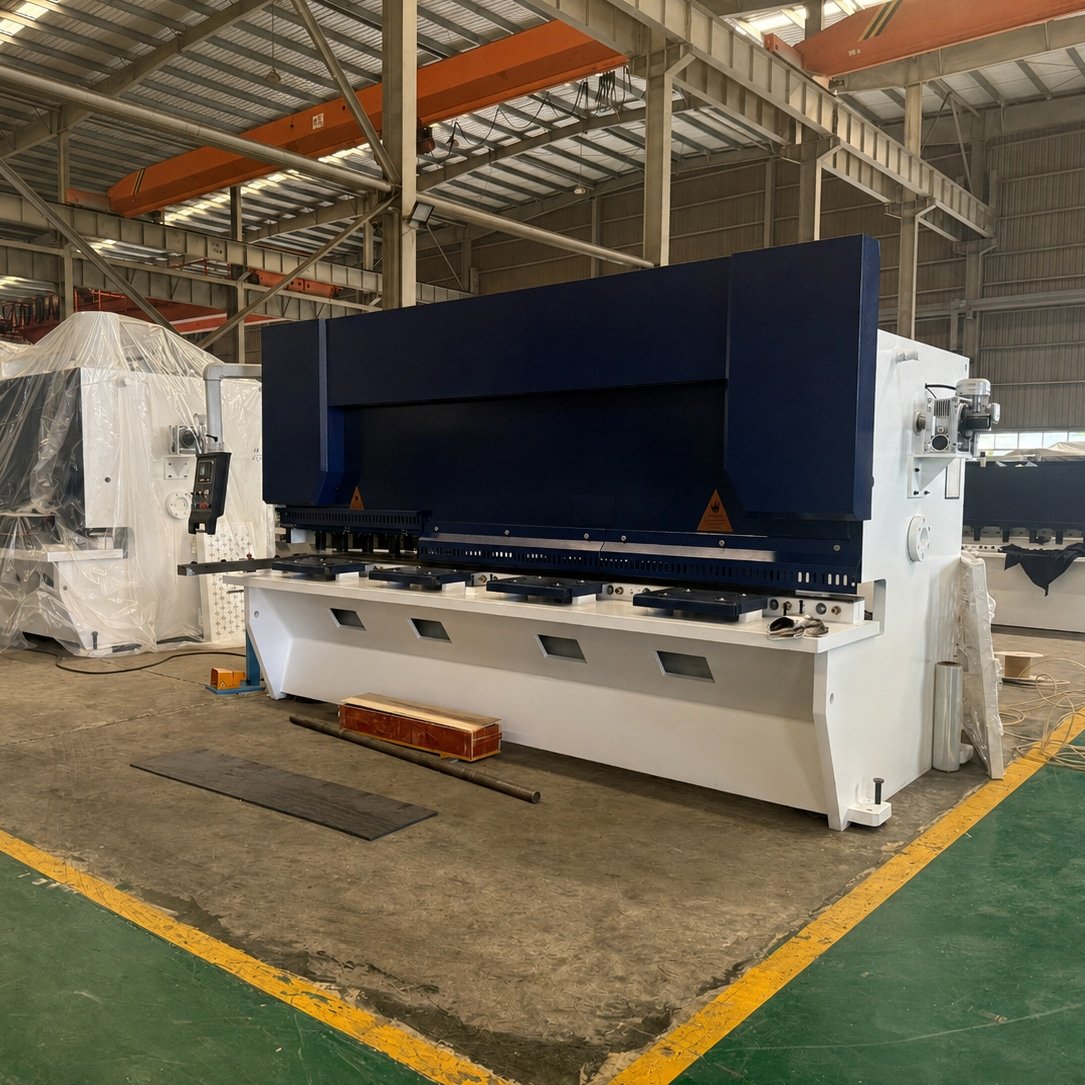
Hydraulic Shearing Machine designed for stable and accurate sheet metal cutting applications.
What Is a Hydraulic Shearing Machine?
A hydraulic shearing machine is a metal cutting machine that uses hydraulic power to drive the upper blade and cut sheet metal materials.
Compared with traditional cutting methods, hydraulic systems provide stable cutting force, better control, and reliable performance for industrial production.
A complete hydraulic shearing machine usually includes:
- Hydraulic system
- Upper and lower blade system
- CNC or NC control system
- Backgauge positioning system
- Heavy-duty machine frame
Learn more about our
Shearing Machine solutions
How Does a Hydraulic Shearing Machine Work?
A hydraulic shearing machine works by moving the upper blade downward with hydraulic force while the lower blade remains fixed.
During the cutting process, the machine controls blade movement, sheet positioning, and cutting parameters to achieve accurate and consistent results.
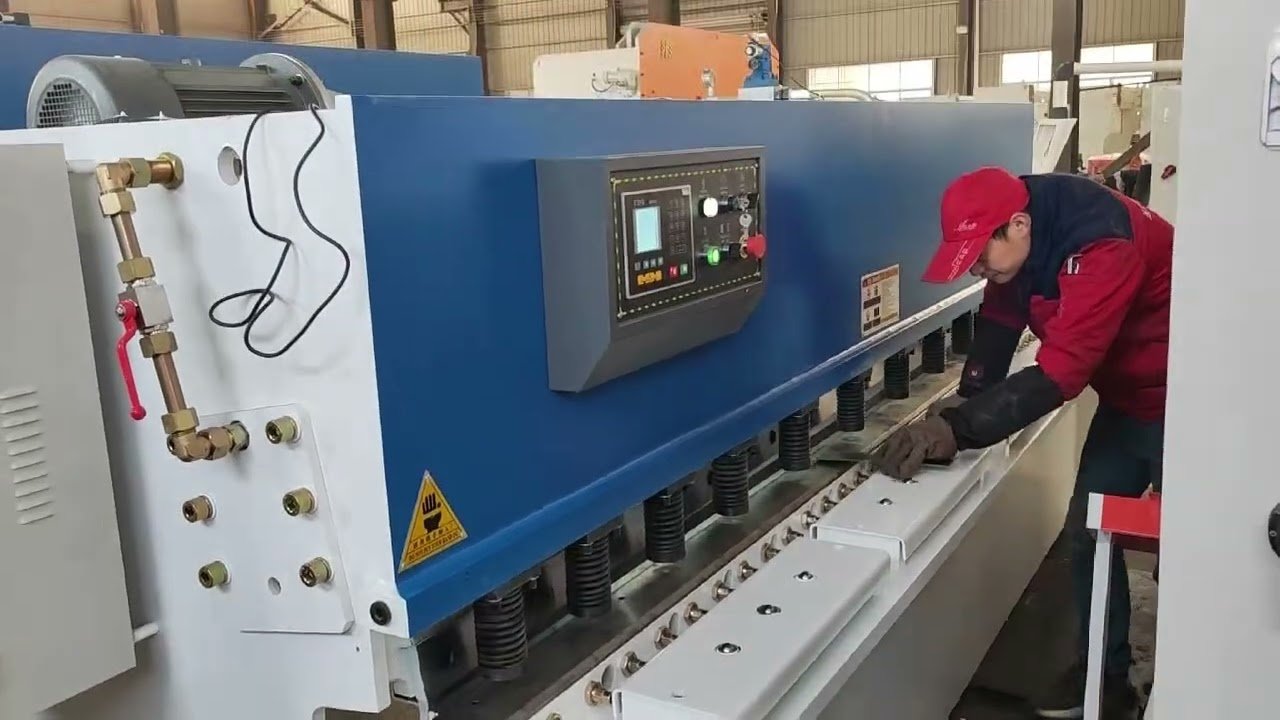
The following video shows the working process of our hydraulic shearing machine, including the cutting area and blade movement during operation.
How to Choose the Right Hydraulic Shearing Machine?
Selecting the correct hydraulic shearing machine requires considering several important factors instead of focusing only on maximum thickness.
1. Cutting Thickness
Cutting thickness is one of the most important selection factors.
The actual cutting ability depends on:
- Material strength
- Sheet thickness
- Cutting length
- Production requirements
For example, a machine designed for occasional maximum thickness cutting may not be suitable for continuous heavy-duty production.
2. Cutting Length
The cutting length determines the maximum sheet size that the machine can process.
Common working lengths include:
- 2500mm
- 3200mm
- 4000mm
- 6000mm
Manufacturers should select the working length according to their common sheet sizes and production requirements.
3. Blade Clearance Adjustment
Blade clearance directly affects cutting quality.
Incorrect clearance settings may cause:
- Large burrs
- Poor cutting edges
- Reduced blade life
- Material deformation
A professional hydraulic shearing machine allows proper adjustment according to different materials and thicknesses.
4. Backgauge Accuracy
The backgauge system controls sheet positioning before cutting.
High positioning accuracy helps improve:
- Cutting dimension consistency
- Batch production quality
- Processing efficiency
For customers requiring higher precision, a CNC shearing machine with accurate backgauge control is a better choice.
5. Hydraulic System Stability
The hydraulic system directly affects machine performance.
A stable hydraulic system provides:
- Consistent cutting force
- Smooth blade movement
- Long-term reliability
Guillotine Shearing Machine vs Swing Beam Shearing Machine
There are two common types of hydraulic shearing machines: guillotine shearing machines and swing beam shearing machines.
| Feature | Guillotine Shearing Machine | Swing Beam Shearing Machine |
|---|---|---|
| Cutting Principle | Straight blade movement | Rotating blade movement |
| Accuracy | Higher precision control | Good for general cutting |
| Structure | Heavy-duty rigid structure | Compact design |
| Maintenance | More complex | Easier maintenance |
| Application | Precision sheet metal production | General fabrication |
Hydraulic Shearing Machine vs Laser Cutting Machine
Many manufacturers compare a hydraulic shearing machine with a laser cutting machine when planning metal processing equipment.
| Hydraulic Shearing Machine | Laser Cutting Machine | |
|---|---|---|
| Investment Cost | Lower initial investment | Higher investment |
| Cutting Method | Straight line cutting | Flexible shape cutting |
| Maintenance | Lower maintenance cost | Higher maintenance requirements |
| Best Application | Sheet cutting production | Complex parts and profiles |
If your production mainly requires straight sheet cutting, a hydraulic shearing machine can provide an economical and efficient solution.
For complex shapes and detailed cutting requirements, a
Laser Cutting Machine
may be more suitable.
Common Mistakes When Buying a Hydraulic Shearing Machine
Mistake 1: Only Considering Maximum Thickness
Many buyers choose equipment only based on the maximum cutting capacity.
However, continuous production requirements should also be considered.
Mistake 2: Ignoring Machine Frame Strength
A strong machine frame helps maintain cutting accuracy and long-term stability.
Mistake 3: Incorrect Blade Adjustment
Improper blade clearance can reduce cutting quality and increase operating costs.
Mistake 4: Not Considering Future Bending Processes
Sheet metal cutting is often connected with later bending processes.
A complete metal fabrication workflow usually combines shearing equipment with a
CNC Press Brake
Applications of Hydraulic Shearing Machine
Hydraulic shearing machines are widely used in:
- Sheet metal fabrication
- Steel processing factories
- Electrical cabinet manufacturing
- Construction equipment production
- Elevator manufacturing
Our machines are designed for professional
metal fabrication workshop
applications.
Factory Testing and Quality Inspection
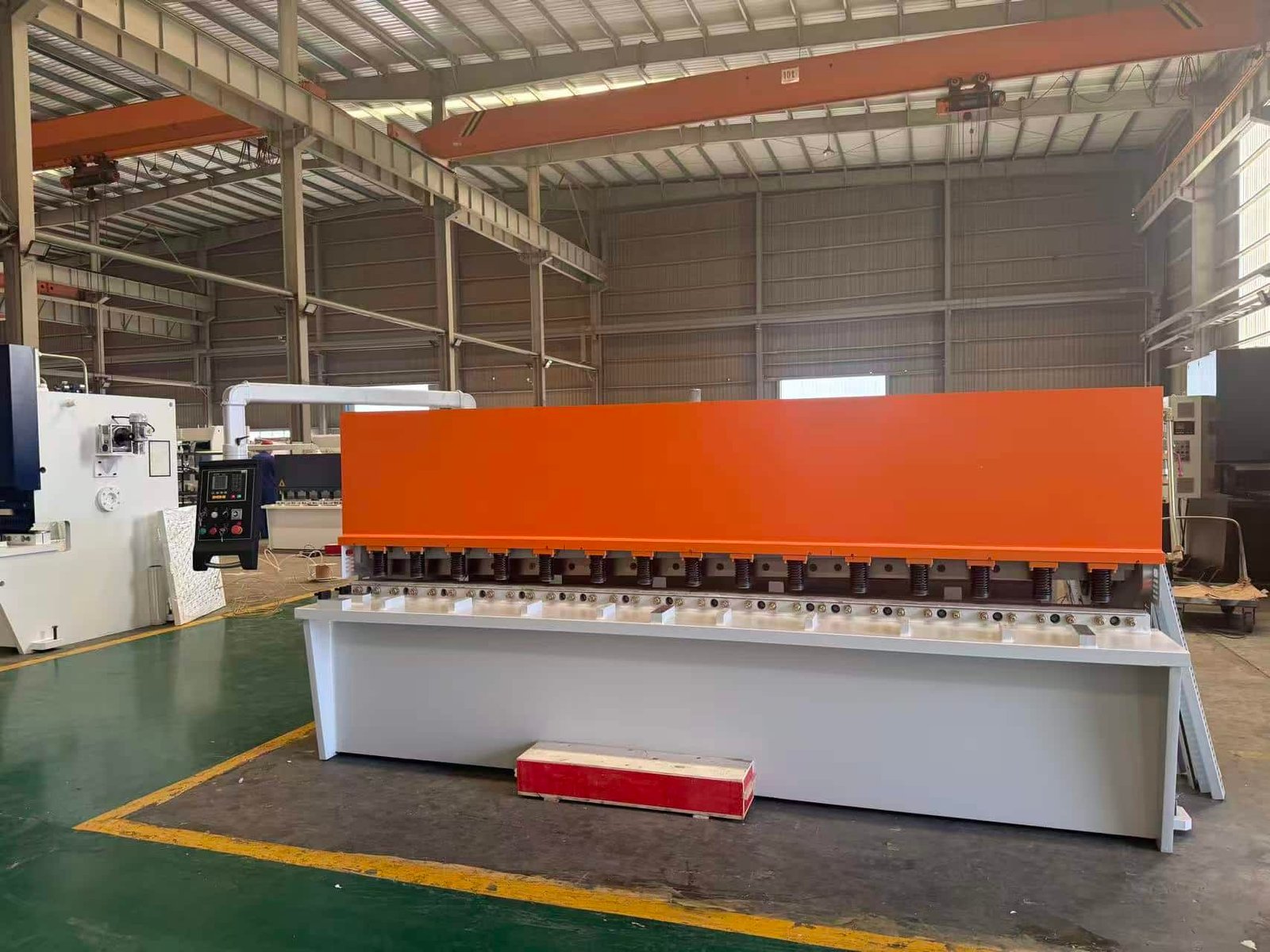
Before delivery, each hydraulic shearing machine should be tested for cutting performance, positioning accuracy, and overall machine stability.
Factory testing helps ensure reliable operation and consistent cutting results for customers worldwide.
FAQ About Hydraulic Shearing Machine
What materials can a hydraulic shearing machine cut?
Hydraulic shearing machines can cut various metal materials including carbon steel, stainless steel, and aluminum sheets depending on machine specifications.
How do I choose between a shearing machine and a laser cutting machine?
The choice depends on cutting requirements, product shape, accuracy needs, and investment budget.
What is the difference between guillotine and swing beam shearing machines?
The main difference is the blade movement structure. Guillotine machines usually provide higher precision, while swing beam machines offer a compact and practical solution for general cutting.
Conclusion
Choosing the right Hydraulic Shearing Machine requires considering material type, thickness, cutting length, accuracy requirements, production capacity, and budget.
A reliable hydraulic shearing machine can provide stable sheet metal cutting performance and become an important part of a complete metal fabrication process.
To recommend the right solution, please provide:
- Material type
- Sheet thickness
- Cutting length
- Accuracy requirements
- Production capacity
- Budget range
Our engineering team can recommend the most suitable machine configuration.
Contact us for your customized metal fabrication solution.