
CNC Press Brake Manufacturing Process is one of the most important factors affecting machine accuracy, stability, and service life. While machine design and component quality are critical, a professional manufacturing process ensures that every press brake delivers consistent bending performance and long-term reliability.
A high-quality CNC press brake is not simply built from premium components. It is the result of strict welding procedures, heat treatment, precision machining, professional assembly, and comprehensive testing.
In this article, we take you inside the complete CNC Press Brake Manufacturing Process and explain how each production stage contributes to machine accuracy, durability, and long-term performance.
Explore our complete range of CNC Press Brake Machines for sheet metal fabrication applications.
CNC Press Brake Production Process Overview
The production of a CNC press brake typically includes the following stages:
- Raw material preparation
- Frame welding
- Stress relief heat treatment
- Precision machining
- Hydraulic system assembly
- CNC and electrical installation
- Backgauge assembly
- Machine calibration
- Accuracy testing
- Final inspection and delivery
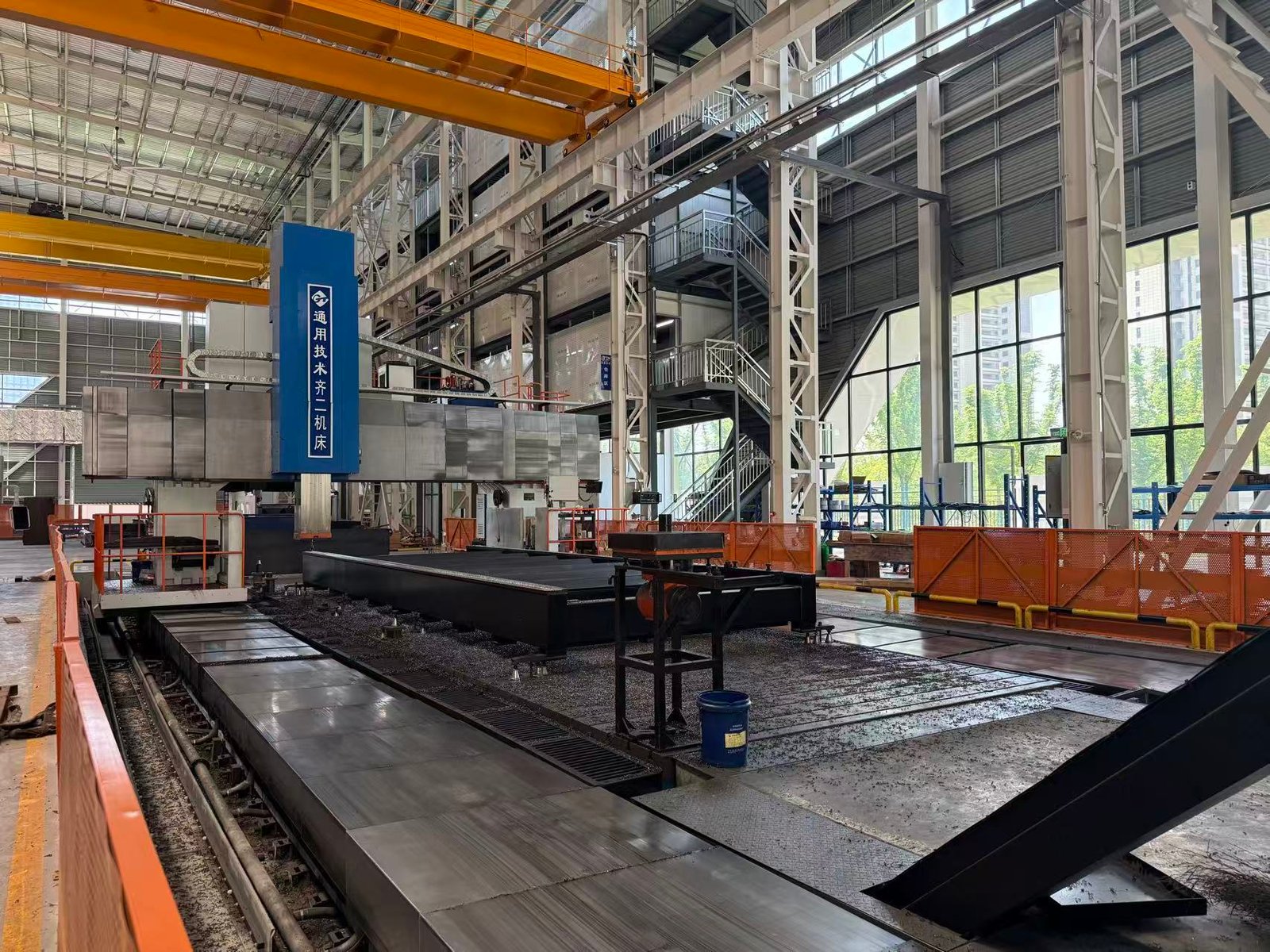
Each stage directly affects machine performance and long-term reliability.
Frame Welding and Heat Treatment
High-quality machine frames begin with heavy-duty steel plate fabrication.
During welding, internal stress is generated inside the machine frame. If not properly removed, the frame may gradually deform over time, reducing bending accuracy.
For this reason, professional manufacturers perform full-frame heat treatment after welding.
- Improve structural stability
- Reduce residual welding stress
- Prevent long-term deformation
- Maintain machine accuracy
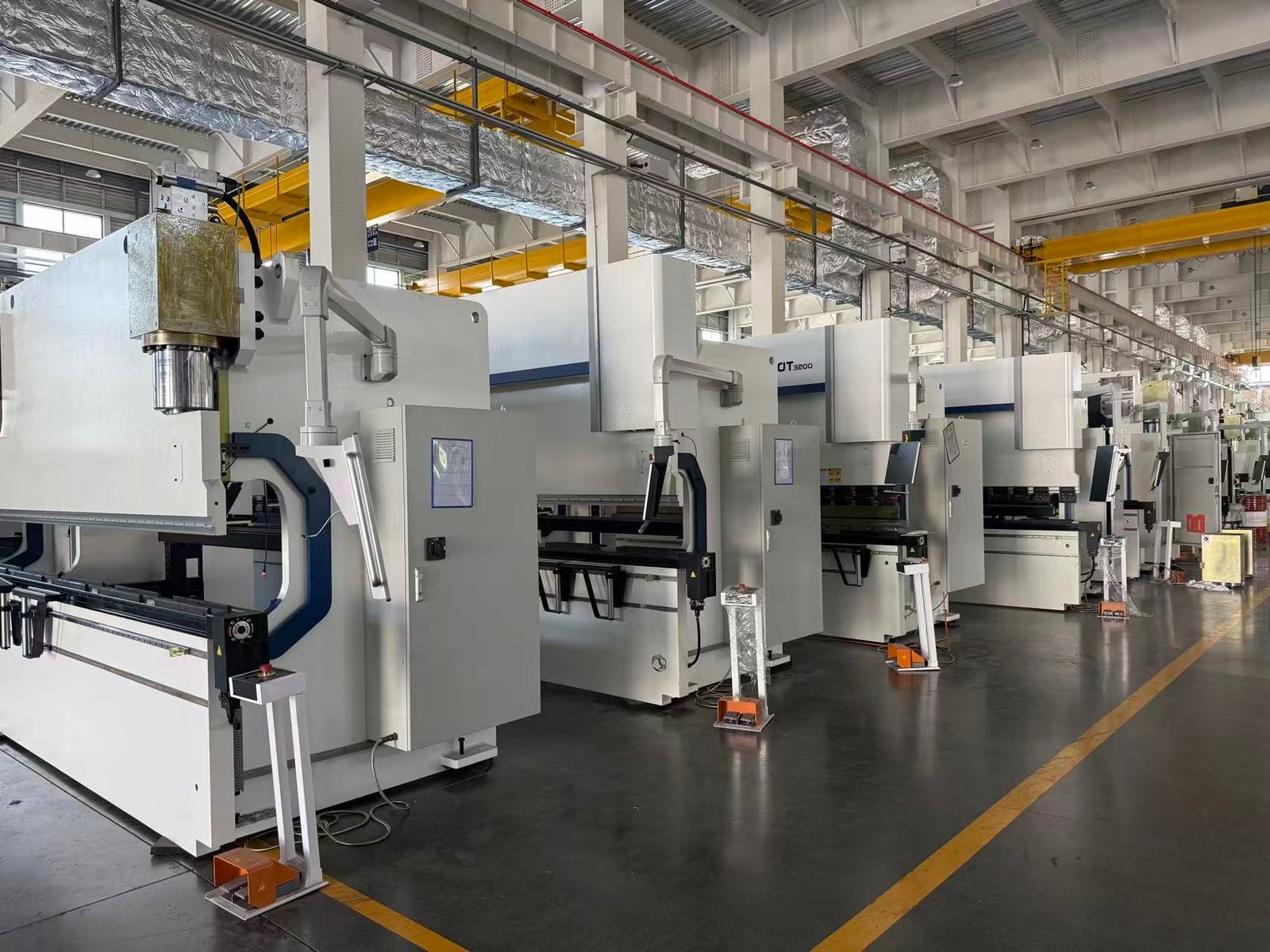
Heat treatment is one of the most important steps affecting the long-term performance of a CNC press brake.
Precision Machining Process
After heat treatment, the machine frame enters the machining stage.
Large gantry machining centers are used to process critical surfaces with high precision.
- Guide rail mounting surfaces
- Hydraulic cylinder mounting holes
- Ram positioning surfaces
- Backgauge installation surfaces
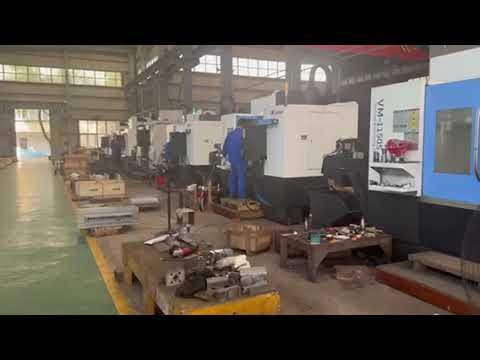
Precision machining ensures proper alignment between all major machine components.
Machines such as our Electro-Hydraulic Synchronous CNC Press Brake rely heavily on machining accuracy to achieve stable bending performance.
Hydraulic System Assembly
The hydraulic system is the power source of the press brake.
Assembly procedures include:
- Hydraulic cylinder installation
- Hydraulic valve block assembly
- Hydraulic pipeline connection
- Hydraulic oil filling
- Pressure testing
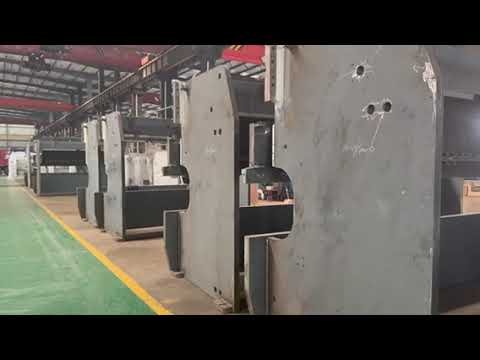
Every hydraulic circuit is tested before entering the calibration stage.
CNC System and Electrical Installation
The CNC control system acts as the brain of the machine.
Engineers install and configure:
- CNC controller
- Servo motors
- Electrical cabinets
- Sensors
- Linear encoders
- Safety systems
Proper electrical layout improves machine stability and simplifies future maintenance.
Backgauge and Axis Assembly
The backgauge system is responsible for positioning the workpiece accurately during bending.
Assembly includes:
- X-axis installation
- R-axis installation
- Servo motor installation
- Ball screw assembly
- Guide rail alignment
- Positioning calibration
High positioning accuracy directly affects final bending dimensions.
Learn more about our Main Servo CNC Press Brake solutions.
Machine Calibration and Accuracy Testing
Before delivery, every CNC press brake must undergo a complete calibration process.
- Y1/Y2 synchronization calibration
- Crowning compensation adjustment
- Backgauge positioning verification
- Hydraulic pressure testing
- Actual bending tests
The purpose is to ensure consistent bending accuracy under real production conditions.
Why Assembly Quality Determines Machine Performance
Many manufacturers use similar CNC systems and hydraulic components.
The difference often lies in assembly quality and inspection standards.
Professional assembly directly affects:
- Long-term accuracy
- Machine stability
- Service life
- Failure rate
- Production efficiency
This is why experienced manufacturers invest heavily in engineering, assembly, and quality control procedures.
Real Factory Assembly Experience
Before shipment, every machine undergoes comprehensive testing and inspection.
Engineers verify machine movement, hydraulic performance, backgauge positioning, and bending accuracy.
Only after all inspection items meet internal standards is the machine approved for customer acceptance and shipment.
Applications of CNC Press Brakes
- Metal Fabrication Workshop
- Automotive Manufacturing
- Elevator Manufacturing
- Aerospace Industry
- Shipbuilding Industry
- Construction Industry
Conclusion
A high-quality CNC press brake is the result of strict manufacturing procedures, professional assembly, and comprehensive testing.
From welding and heat treatment to final calibration, every step contributes to machine accuracy, reliability, and service life.
If you are looking for reliable bending solutions, visit our Press Brake Product Center or contact our engineering team for expert assistance.