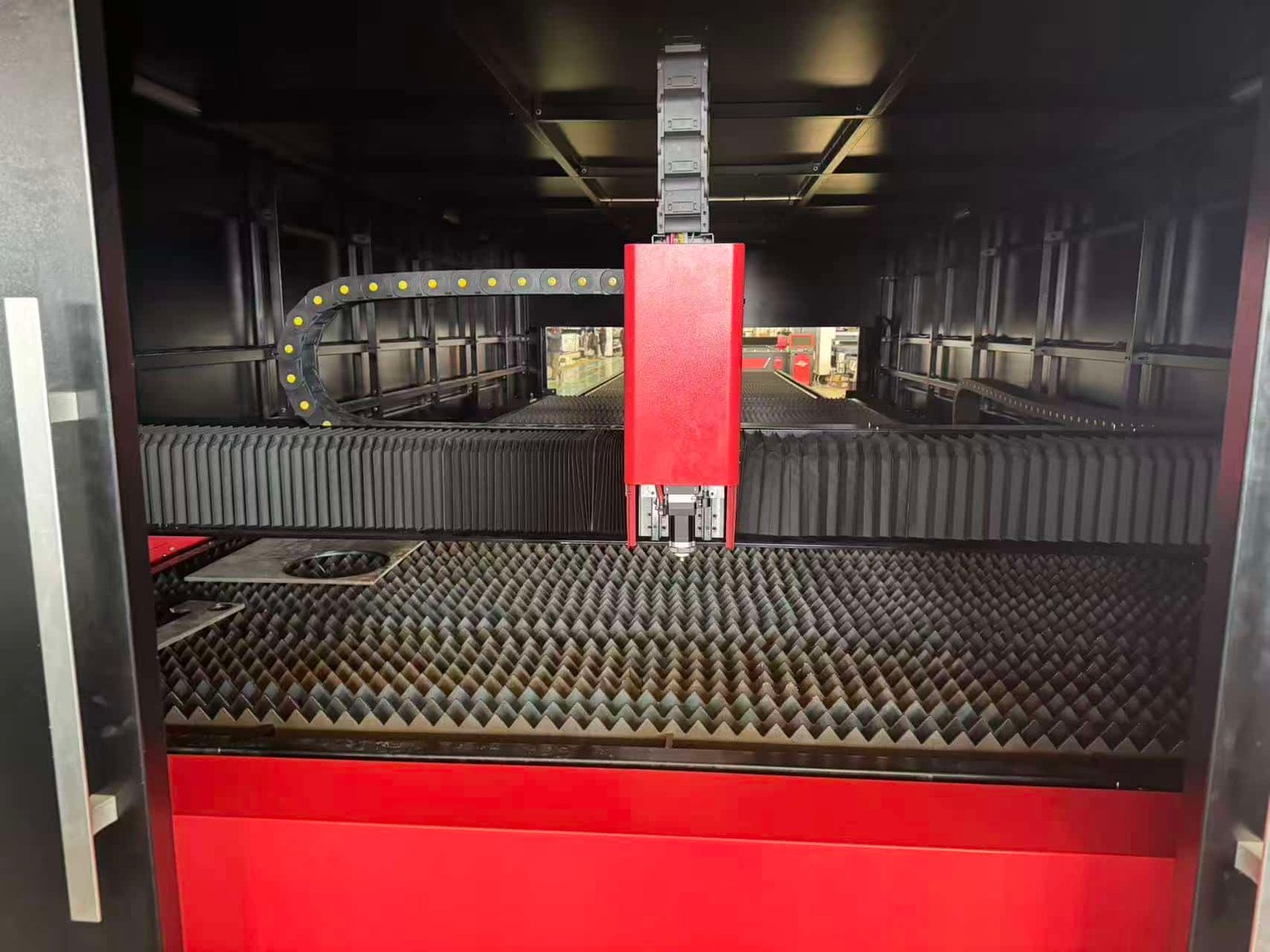
Choosing the right fiber laser cutting machine power is an important decision for sheet metal manufacturers, metal fabrication companies and laser cutting service providers.
A higher-power laser is not automatically the best choice for every application. The right power should match the material type, material thickness, cutting speed, production volume, required edge quality and overall machine configuration.
For some workshops, a 1,000W–1,500W machine may be sufficient for light sheet-metal processing. For general production, 2,000W–3,000W systems can provide a good balance between cutting capability and investment. Higher-power systems are more suitable when thicker materials, higher cutting speeds or larger production volumes are required.
If you are planning a new sheet metal production line, our laser cutting machines can be configured according to material type, thickness, production volume and workshop requirements.
This guide explains the main factors to consider when selecting a sheet metal laser cutting machine and how to choose a configuration that fits your actual production needs.
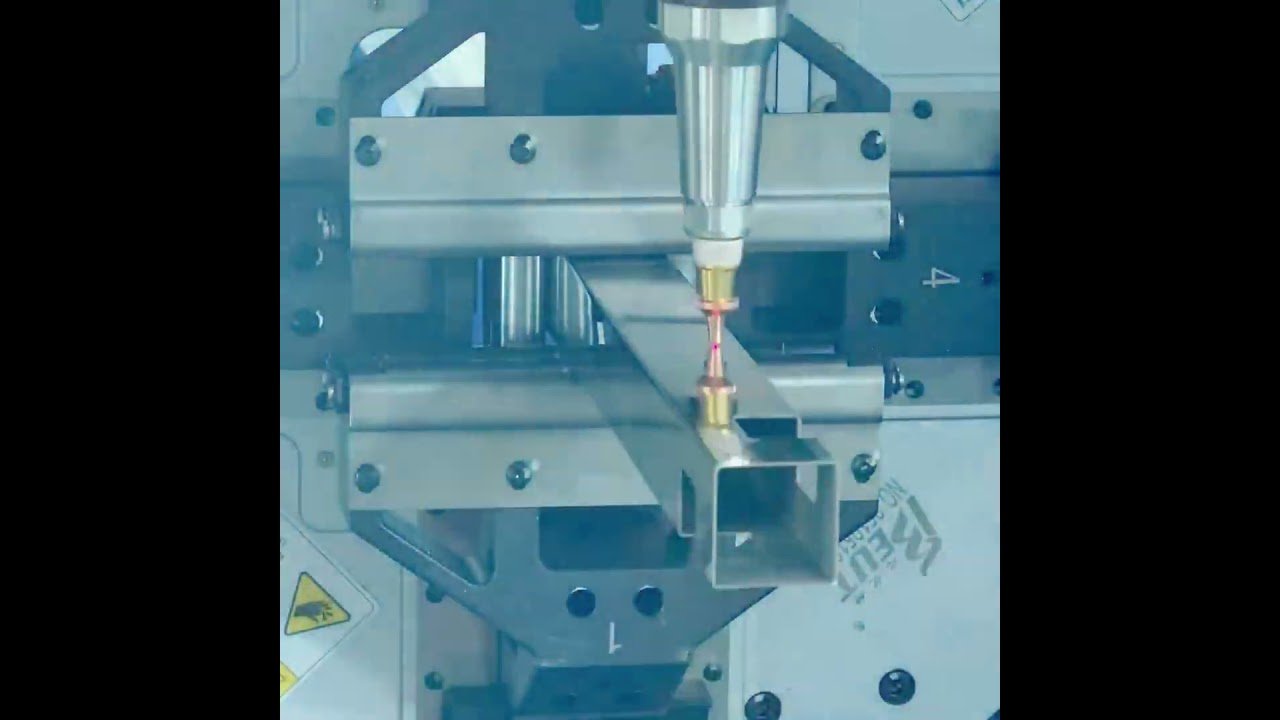
What Determines the Right Laser Cutting Machine Power?
Laser power is only one part of the cutting system.
When selecting a fiber laser cutting machine, you should consider:
- Material type
- Material thickness
- Required cutting speed
- Production volume
- Required edge quality
- Assist gas
- Laser source
- Cutting head
- Machine structure
- Cutting process parameters
- Budget and operating costs
- Downstream processes such as bending
The maximum thickness listed for a machine should therefore not be the only factor used for purchasing decisions.
A machine should be selected according to the materials and production conditions you actually expect to process. For customers planning a complete production line rather than buying one machine separately, our metal fabrication workshop solutions combine cutting, bending, shearing and other sheet metal processes into a more complete equipment plan.
Different Laser Power Selection Reference
The following table provides a general reference for selecting laser power for sheet-metal applications.
| Laser Power | Typical Application | Suitable Production |
|---|---|---|
| 1,000–1,500W | Light sheet-metal processing | Thin carbon steel and stainless steel applications |
| 2,000–3,000W | General-purpose metal cutting | General carbon steel, stainless steel and aluminum processing |
| 4,000–6,000W | Higher-speed and thicker-sheet production | Medium-thickness and higher-volume applications |
| 6,000W+ | Heavy-duty and high-volume production | Thick metal processing and demanding production environments |
These ranges are general guidelines rather than fixed cutting limits. Actual cutting capability depends on the laser source, material grade, thickness, assist gas, cutting head, machine configuration and process parameters.
For a final recommendation, the material and thickness that you plan to cut should always be confirmed before selecting the machine.
How Material Type Affects Laser Power Selection
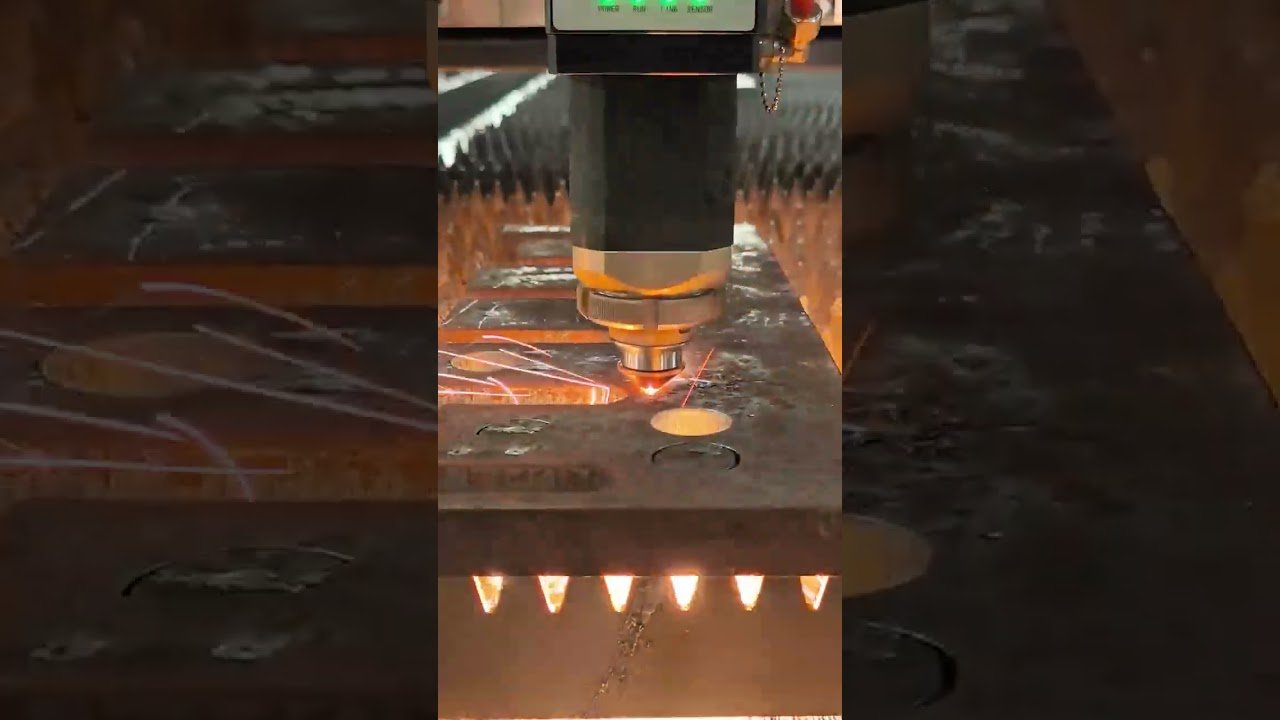
Different metals react differently during laser cutting. Carbon steel, stainless steel and aluminum therefore require different cutting conditions.
Carbon Steel
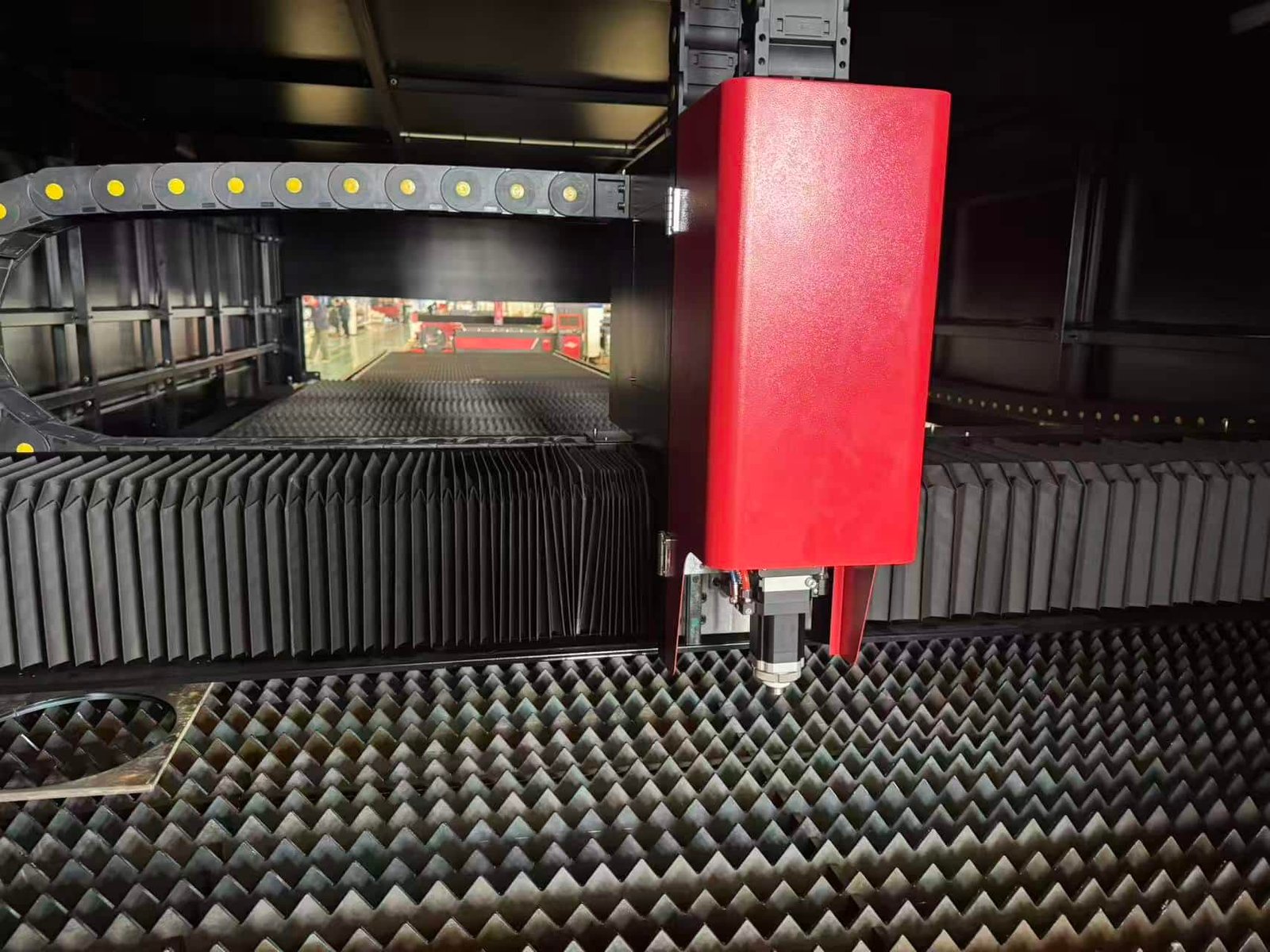
Carbon steel is one of the most common materials processed with fiber laser cutting machines.
For thinner sheet metal, lower-power machines may provide sufficient cutting capability. As thickness increases, higher laser power can help improve cutting speed and production efficiency.
Oxygen is commonly used as an assist gas when cutting carbon steel because it supports the cutting process and helps remove molten material from the kerf.
When choosing a machine for carbon steel, consider both the maximum thickness and the quantity of material that needs to be processed.
Stainless Steel
Stainless steel typically requires different cutting conditions from carbon steel.
Nitrogen is commonly used as an assist gas when a clean, oxidation-free cutting edge is required. The required laser power depends on the thickness, grade, cutting speed and desired edge quality.
For workshops processing both thin and medium-thickness stainless steel, a properly configured fiber laser cutting machine can provide a flexible production solution.
Aluminum
Aluminum has different thermal and reflective characteristics from carbon steel and stainless steel.
When processing aluminum, the laser source, cutting head, machine configuration and protection against reflected laser energy should be considered carefully.
If a workshop needs to process carbon steel, stainless steel and aluminum on the same machine, the machine should be configured specifically for multi-material processing.
Laser Power vs. Cutting Speed
One of the biggest advantages of higher laser power is not simply the ability to cut thicker material.
It can also increase cutting speed.
This becomes especially important in repetitive production.
For example, if a workshop cuts hundreds or thousands of similar parts every month, reducing the cutting time for each part can significantly improve overall production efficiency.
However, higher power only provides value when the production workload can take advantage of it.
If most of your work consists of thin sheet metal and production volume is relatively low, investing in a much higher-power machine may not provide a sufficient return.
The goal is not to buy the highest power available. The goal is to select the most appropriate power for your production requirements.
Does Higher Laser Power Mean Better Cutting Accuracy?
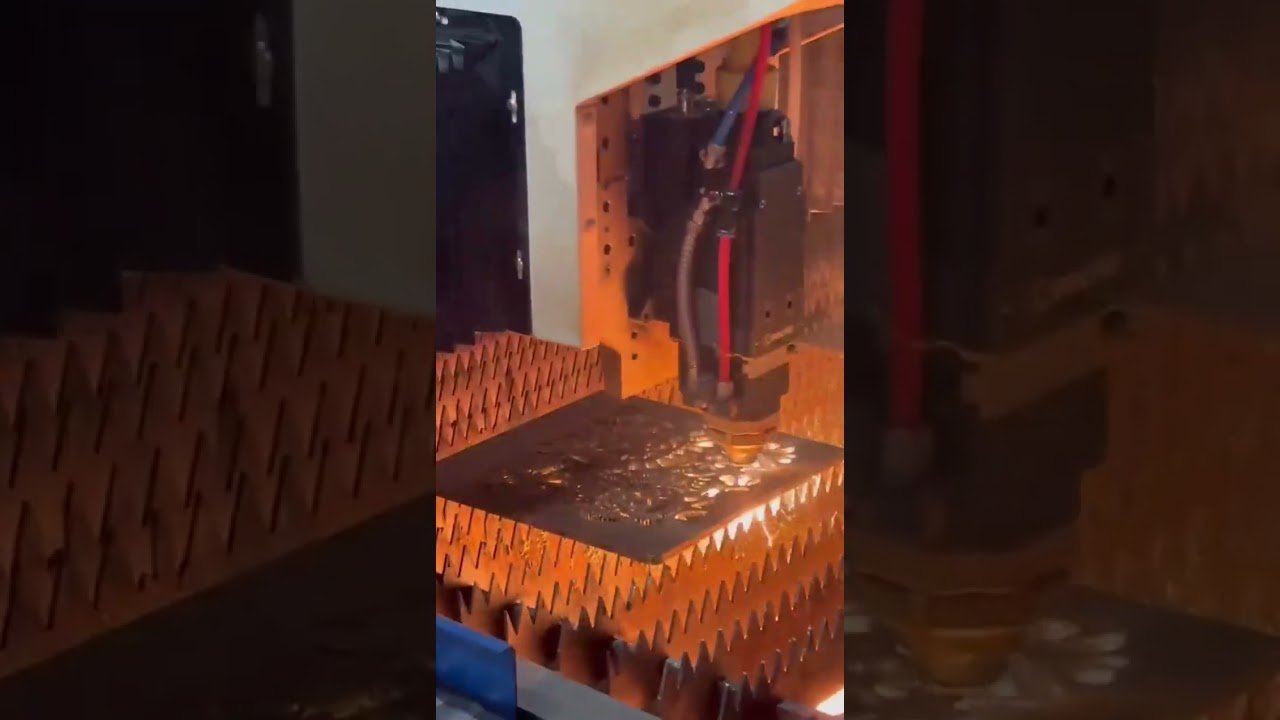
Not necessarily.
Laser power is not the only factor that determines cutting accuracy.
The final cutting result is affected by both the machine hardware and the cutting process.
Important factors include:
- Machine bed rigidity
- Linear guide system
- Servo motor performance
- Laser cutting head
- Laser source stability
- Focus position
- Cutting speed
- Gas pressure
- Nozzle condition
- Piercing parameters
- Cutting parameters
A well-designed machine with properly adjusted parameters can produce consistent cutting results without simply relying on maximum laser power.
For buyers who care about dimensional accuracy and edge quality, it is therefore important to evaluate the complete machine configuration rather than looking only at the laser source wattage.
How Assist Gas Affects Laser Cutting
Assist gas plays an important role in laser cutting.
It helps remove molten material from the cutting area, cool the cutting head and influence the cutting reaction, edge quality and cutting speed.
| Material | Common Assist Gas | Main Consideration |
|---|---|---|
| Carbon Steel | Oxygen | Efficient cutting and material removal |
| Stainless Steel | Nitrogen | Cleaner, oxidation-free cutting edge |
| Aluminum | Nitrogen / Air depending on application | Material thickness and edge requirements |
| Thin Sheet | Compressed Air can be used in some applications | Lower operating cost for suitable applications |
The correct gas pressure and flow rate also depend on the material, thickness, nozzle and cutting parameters.
This is why gas consumption and operating cost should be considered when comparing different laser cutting machine configurations.
Can One Fiber Laser Cutting Machine Cut Carbon Steel, Stainless Steel and Aluminum?
Yes, a properly configured fiber laser cutting machine can be used for multiple metal materials.
However, the machine should be configured according to the materials that will actually be processed.
Important considerations include:
- Laser source
- Cutting head
- Assist gas system
- Oxygen and nitrogen gas lines
- Machine protection
- Back-reflection protection
- Cutting parameters
- Material thickness
For applications that regularly process carbon steel, stainless steel and aluminum, a dual-gas configuration can provide greater flexibility.
Single Table vs. Exchange Table Laser Cutting Machine
The table configuration directly affects production efficiency.
Single Table Laser Cutting Machine
A single-table machine has one cutting platform.
The machine normally needs to complete the cutting operation before the operator can unload the finished parts and load new material.
This configuration can be suitable for:
- Small production volumes
- Lower-frequency cutting
- Cost-sensitive projects
- Workshops with limited production requirements
Exchange Table Laser Cutting Machine
An exchange-table machine uses two working platforms.
While one table is being used for cutting, the other table can be used for loading or unloading material.
The tables can then exchange positions, helping reduce loading and unloading downtime.
This configuration is particularly useful for:
- High-volume production
- Repetitive sheet-metal processing
- Continuous production
- Workshops where machine utilization is important
For manufacturers running the machine for long production shifts, an exchange table can improve the overall production rhythm.
How to Choose Between 2,000W, 3,000W, 6,000W and Higher Power
2,000W Fiber Laser Cutting Machine
A 2,000W machine can be a practical choice for general sheet-metal processing when the majority of work involves thin to medium-thickness materials.
It can provide a balance between:
- Machine investment
- Cutting capability
- Operating cost
- Production efficiency
3,000W Fiber Laser Cutting Machine
A 3,000W machine provides additional cutting capability and can be suitable for workshops handling a broader range of materials and thicknesses.
It can be a good option when the customer needs:
- General-purpose production
- Higher cutting speed
- More flexibility
- Carbon steel and stainless steel processing
- Medium-thickness sheet-metal applications
6,000W and Higher Power
Higher-power machines are more appropriate when production requirements justify the additional investment.
Typical applications include:
- Thicker sheet-metal processing
- High-volume production
- Faster cutting requirements
- Large fabrication workshops
- Heavy-duty metal processing
The main benefit is not simply the ability to process thicker material. Higher power can also reduce processing time and improve productivity when the machine is used intensively.
Common Mistakes When Choosing Laser Cutting Machine Power
1. Choosing the Highest Power Without Considering Actual Thickness
A high-power machine may look attractive, but it can be unnecessary if most of the customer’s production consists of thin sheet metal.
2. Looking Only at Maximum Cutting Thickness
Maximum cutting thickness is only one specification. Production speed, edge quality, material type and daily workload can be equally important.
3. Ignoring Assist Gas Costs
Laser cutting involves more than electricity consumption. Oxygen, nitrogen, compressed air and other operating requirements can affect the total cost of production.
4. Ignoring Consumable Costs
Nozzles, protective lenses and other consumable components also contribute to operating costs.
5. Choosing a Machine Without Considering Production Volume
A low-power machine may be sufficient for occasional cutting. But if the workshop operates multiple shifts and processes large quantities of material, higher cutting speed and an exchange table may provide greater value.
6. Forgetting the Next Manufacturing Process
Laser cutting is often only one step in metal fabrication.
Many customers also need:
- Bending
- Shearing
- Welding
- Drilling
- Assembly
After laser cutting, many sheet metal parts are formed using a press brake. In other production lines, a hydraulic shearing machine may also be used for fast straight cutting before bending or further processing.
Laser Cutting Machine Selection Should Match Your Production Workflow
A good machine selection considers the entire manufacturing process.
Sheet Metal → Laser Cutting → Press Brake Bending → Welding → Assembly
If the laser cutter produces parts much faster than the bending department can process them, increasing laser power may not significantly improve total factory productivity.
Likewise, if the workshop frequently changes between different material types and thicknesses, flexibility may be more valuable than maximum power.
This is why the best laser cutting machine is not necessarily the machine with the highest wattage. It is the machine that fits the complete production workflow.
You can also review our metal fabrication applications to understand how different equipment configurations are used across different industries.
Fiber Laser Cutting Machines for Different Industries
Laser cutting machine power should also be selected according to the final products and industry requirements.
Automotive Manufacturing
In automotive manufacturing, laser cutting is commonly used for sheet metal components where repeatability, cutting speed and production efficiency are important.
Aerospace Manufacturing
Aerospace manufacturing machinery often requires more attention to material type, dimensional accuracy and process consistency.
Elevator Manufacturing
For elevator manufacturing, stainless steel sheet processing, cutting accuracy and downstream bending are important considerations when planning a production line.
Shipbuilding
Shipbuilding manufacturing may involve thicker plate and larger workpieces, making cutting capacity, machine size and production efficiency especially important.
Construction Metal Fabrication
In construction manufacturing, laser cutting machines can be used together with press brakes, shearing machines and other fabrication equipment for structural and sheet metal components.
Standard Laser Cutting Machine vs. Higher-Power Configuration
| Factor | Standard-Power Machine | Higher-Power Machine |
|---|---|---|
| Initial Investment | Lower | Higher |
| Thin Sheet Cutting | Suitable | Suitable |
| Thick Sheet Capability | More Limited | Stronger |
| Cutting Speed | Moderate | Higher |
| High-Volume Production | Depends on workload | More suitable |
| Operating Requirements | Generally lower | May be higher |
| Best For | General and light production | High-volume and demanding applications |
What Information Do You Need Before Buying a Fiber Laser Cutting Machine?
Before requesting a quotation, prepare the following information:
1. Material Type
- Carbon steel
- Stainless steel
- Aluminum
- Brass
- Other metals
2. Material Thickness
Provide the minimum, average and maximum thickness that you expect to cut.
3. Production Volume
Explain approximately how many sheets or parts need to be processed per day or month.
4. Required Cutting Speed
If production efficiency is important, specify your expected processing speed or production target.
5. Cutting Quality
- Standard cutting quality
- High edge quality
- Low oxidation
- Tight dimensional tolerance
6. Sheet Size
Provide the sheet dimensions that you normally process.
7. Future Production Plans
If you expect your production volume or material thickness to increase, mention this when selecting the machine.
This information allows the supplier to recommend a more suitable laser power and machine configuration.
Fiber Laser Cutting Machine Selection Guide
Choose 1,000–1,500W when:
Your main work involves light sheet-metal processing and production requirements are relatively limited.
Choose 2,000–3,000W when:
You need a versatile machine for general sheet-metal production and a wider range of materials and thicknesses.
Choose 4,000–6,000W when:
You require higher cutting speeds, process thicker materials or operate a higher-volume production line.
Choose 6,000W+ when:
Your production involves demanding thick-material processing, heavy-duty fabrication or high-volume operation.
These are only starting points. The final laser power should always be confirmed based on your actual materials, thicknesses, production volume and required cutting quality.
How We Can Help You Select the Right Laser Cutting Machine
Choosing a fiber laser cutting machine does not have to start with a specific wattage. Instead, start with your production requirements.
Share your:
- Material type
- Material thickness
- Sheet size
- Cutting drawings
- Required cutting speed
- Daily or monthly production volume
- Required edge quality
- Budget
- Downstream processes
Based on this information, the appropriate laser power, machine configuration and table type can be evaluated for your application.
Our laser cutting machine solutions can be configured together with press brake machines, shearing machines and other equipment for a complete metal fabrication workshop.
You can also learn more about our manufacturing and machine supply capabilities on our About Us page, or visit our News & Updates section for more sheet metal machinery guides.
FAQ
Is a higher-power fiber laser cutting machine always better?
No. Higher power provides greater cutting capability and can increase cutting speed, but the best machine depends on your material, thickness, production volume and budget.
What laser power is suitable for stainless steel?
The required power depends on stainless steel grade, thickness, cutting speed and edge-quality requirements. Lower-power machines may be sufficient for thin sheet, while higher-power systems are more appropriate for thicker or high-volume production.
What laser power do I need for carbon steel?
The required laser power depends mainly on carbon steel thickness, cutting speed and production volume. It is better to provide the supplier with your actual thickness range rather than selecting a machine based only on a general power chart.
Is 2,000W enough for general sheet-metal cutting?
A 2,000W fiber laser cutting machine can be suitable for many general sheet-metal applications, especially when the main workload involves thin to medium-thickness materials. The exact capability should be confirmed according to the material and process requirements.
What is the difference between a 3,000W and 6,000W laser cutting machine?
A 6,000W system generally provides greater cutting capability and can achieve higher productivity for demanding applications. A 3,000W machine may provide a better balance when the customer’s workload does not require the additional capacity.
Should I choose a single-table or exchange-table laser cutting machine?
A single-table machine can be suitable for lower-volume production. An exchange-table machine is more suitable when loading and unloading time has a significant impact on production efficiency.
Can one laser cutting machine cut carbon steel, stainless steel and aluminum?
Yes, a properly configured fiber laser cutting machine can process multiple metal materials. However, laser source, cutting head, assist gas, machine protection and process parameters should be selected according to the materials being processed.
What information should I provide when requesting a laser cutting machine quotation?
Provide the material type, material thickness, sheet size, cutting drawings, required cutting speed, production volume, edge-quality requirements and budget. This information helps determine a suitable laser power and machine configuration.
Conclusion
Selecting the right fiber laser cutting machine power is a matter of matching machine capability to your actual production requirements.
The highest power is not always the most economical choice.
Material → Thickness → Cutting Speed → Production Volume → Edge Quality → Machine Configuration → Total Operating Cost
For light sheet-metal work, lower-power machines may provide an efficient solution. For general production, 2,000W–3,000W systems can offer a practical balance. When thicker materials and higher production volumes are involved, 4,000W–6,000W or higher-power machines may provide better productivity.
If you are unsure which configuration is right for your workshop, send us your material type, thickness, cutting drawings, production requirements and target budget.
Request a Laser Cutting Machine Recommendation
Planning to buy a fiber laser cutting machine?
Send us your:
- Material type
- Material thickness
- Sheet size
- Cutting drawings
- Production volume
- Cutting speed requirements
- Required edge quality
- Target budget
We can help you evaluate the appropriate laser power, machine type and configuration for your metal fabrication application.