
Stainless steel press brake tooling plays a critical role in achieving high-quality bending results. Compared with carbon steel, stainless steel is harder, produces greater springback, and is more sensitive to surface marks. Choosing the right punch and die can significantly improve bending accuracy and product appearance.
Why Stainless Steel Requires Better Tooling
Stainless steel presents several challenges during bending:
- Higher material hardness
- Greater springback
- Increased risk of surface scratches
- Higher tooling precision requirements
Because of these characteristics, tooling selection becomes much more important than in ordinary carbon steel bending.
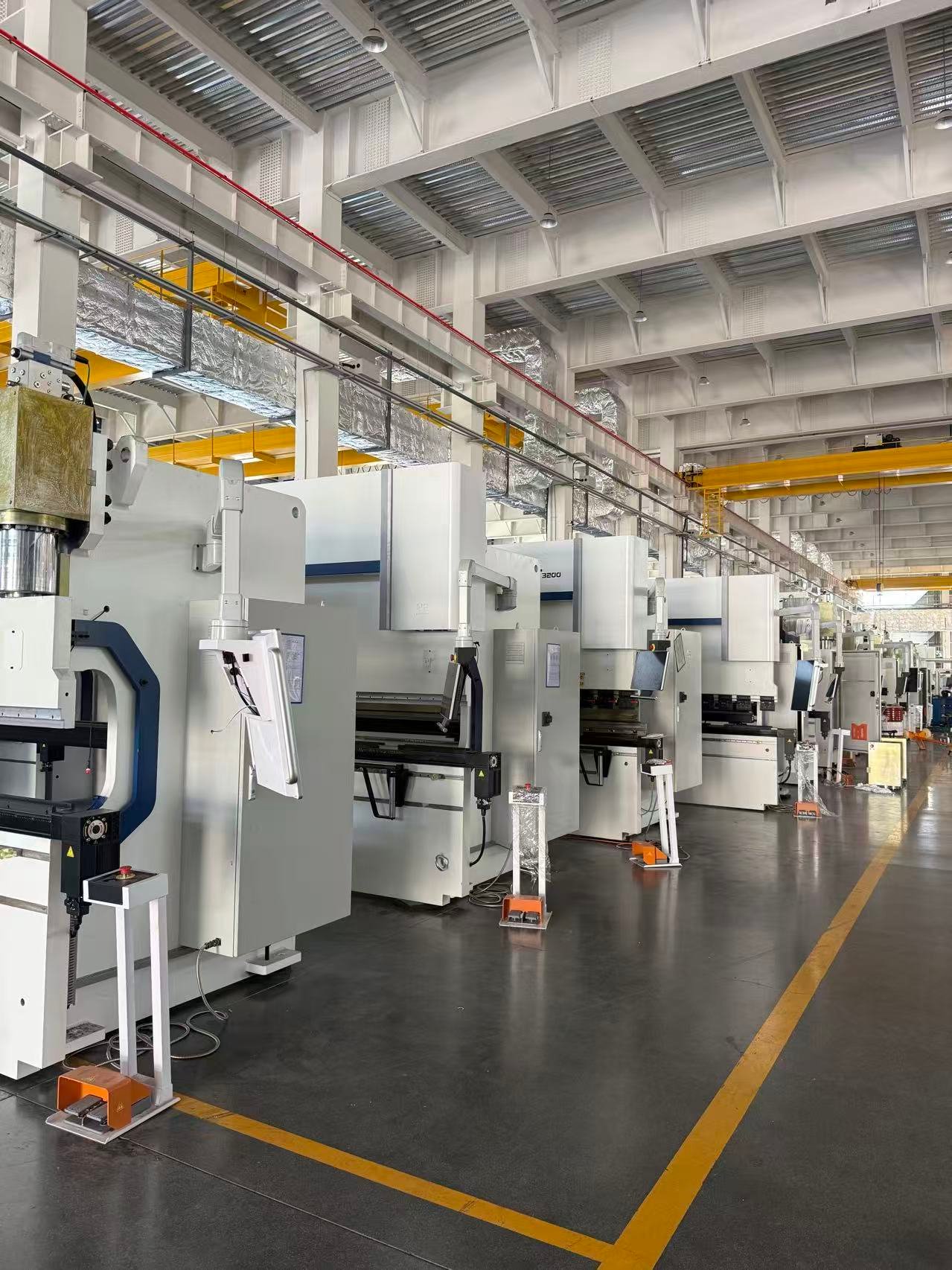
Common Punch Types For Stainless Steel Bending
Standard Straight Punch
The most common punch used for general bending applications.
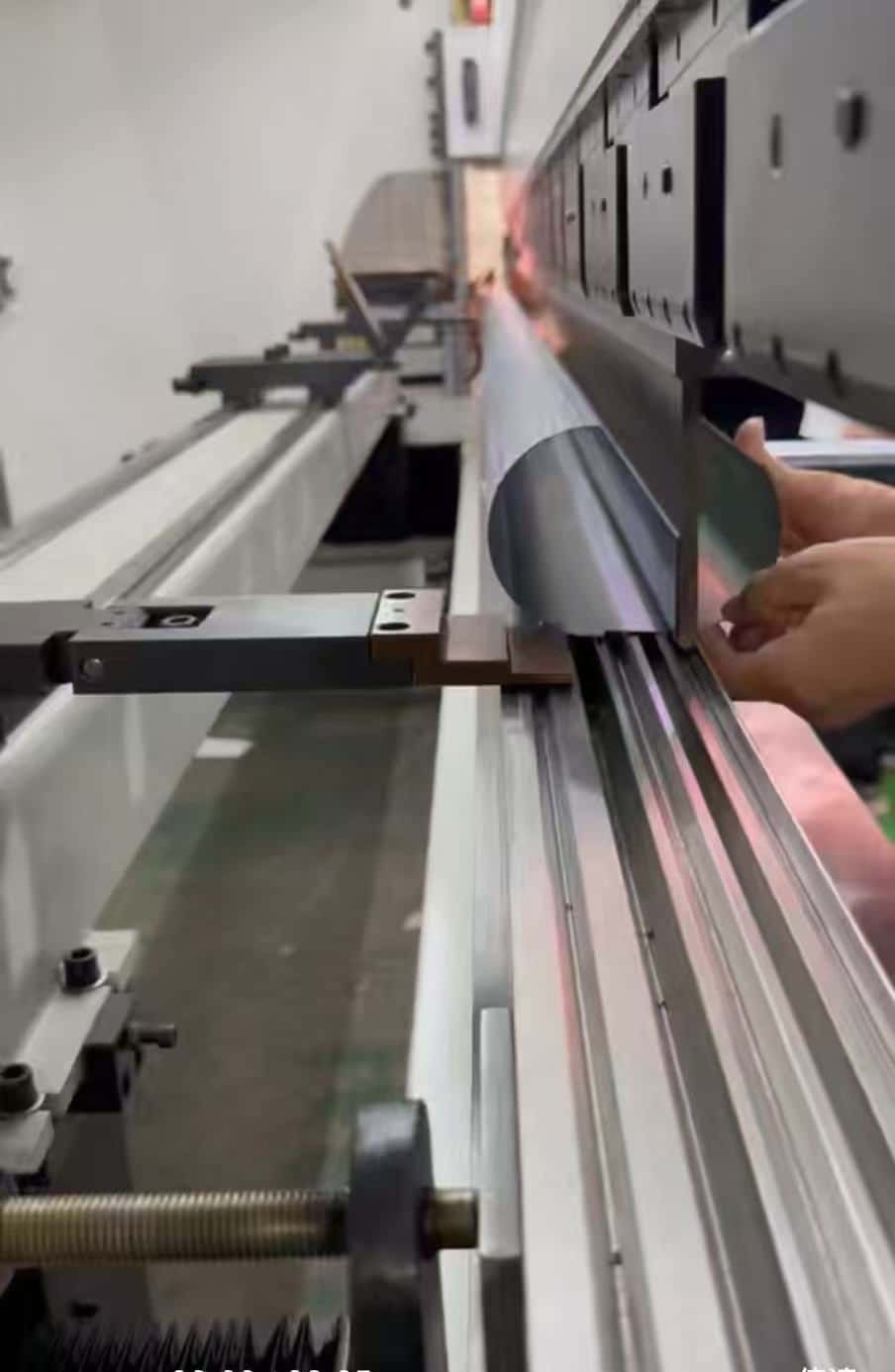
Suitable for:
- Cabinets
- Electrical enclosures
- Sheet metal parts
Gooseneck Punch
Designed for complex profiles and return bends.
Advantages:
- Avoids interference during bending
- Suitable for deep box structures
- Widely used in stainless steel fabrication
Small Radius Punch
Used when customers require tight bend radii and precise forming.
Applications:
- Decorative stainless steel products
- Elevator panels
- Kitchen equipment
Precision Forming Punch
Suitable for high-end products requiring excellent consistency.
Applications:
- Medical equipment
- Electronics industry
- Precision sheet metal fabrication
Learn more about our
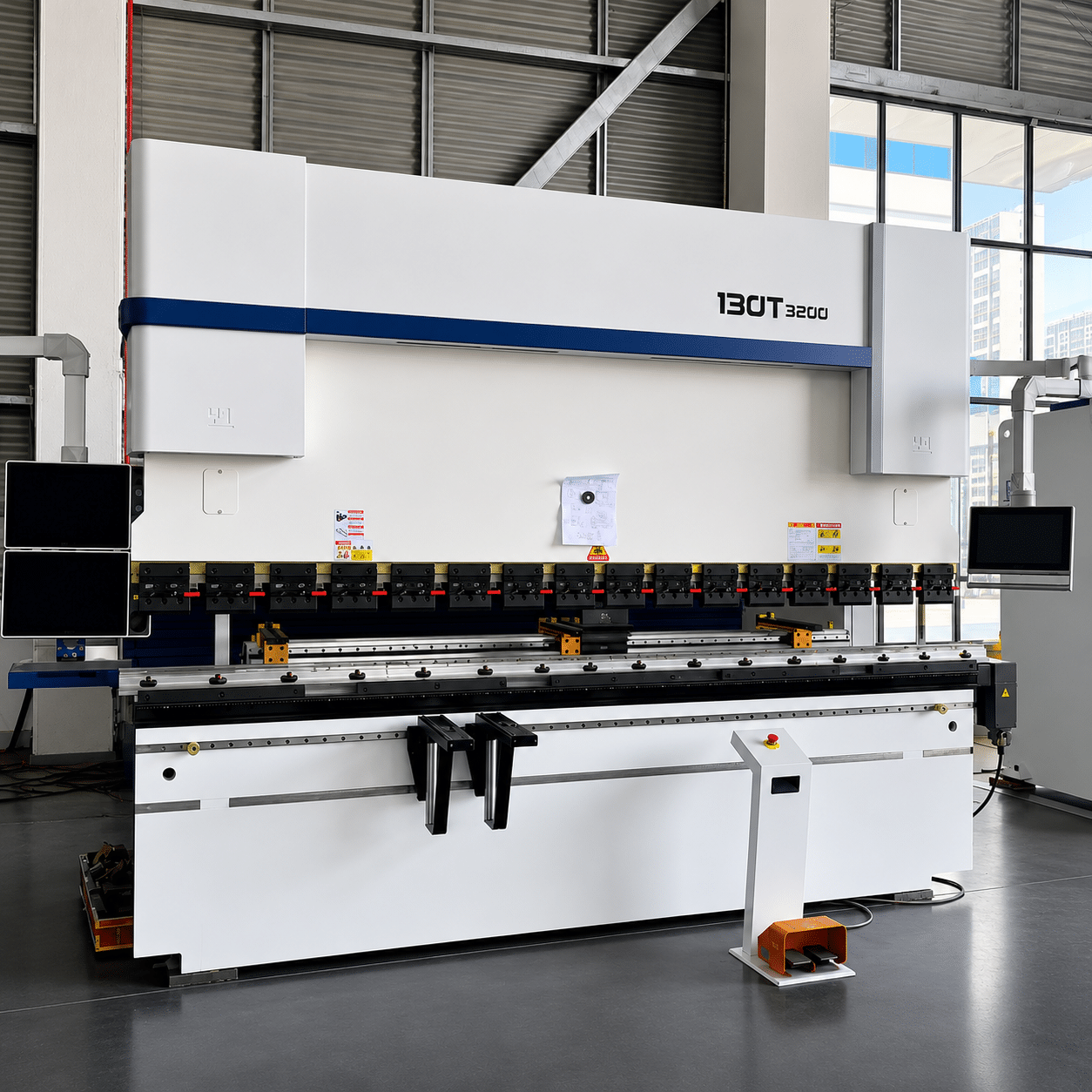
CNC Press Brake Machines
for precision tooling applications.
Common Die Selection For Stainless Steel
Single V Die
Most common option for standard production.
Advantages:
- Simple setup
- Good versatility
- Suitable for most sheet thicknesses
Multi V Die
Provides flexibility for different material thicknesses.
Advantages:
- Reduced tooling changes
- Higher production efficiency
Large V Opening vs Small V Opening
Small V:
- Better angle control
- Smaller inside radius
Large V:
- Reduced marking
- Lower bending force
How To Choose V Opening Width
A common rule is:
| Material Thickness | Recommended V Opening |
|---|---|
| 1 mm | 6V – 8V |
| 2 mm | 12V – 16V |
| 3 mm | 18V – 24V |
| 4 mm | 24V – 32V |
Correct V selection reduces cracking and improves angle consistency.
Tooling Material Requirements
High-quality tooling should provide:
- High hardness
- Excellent wear resistance
- Proper heat treatment
- Long service life
Low-quality tooling often wears quickly and causes bending defects.
How To Reduce Surface Marks On Stainless Steel
One of the most common customer complaints is visible bending marks.
Several solutions include:
- Mirror-polished tooling
- Protective film on material surface
- Lower forming pressure
- Special anti-mark dies
These methods significantly improve appearance quality.
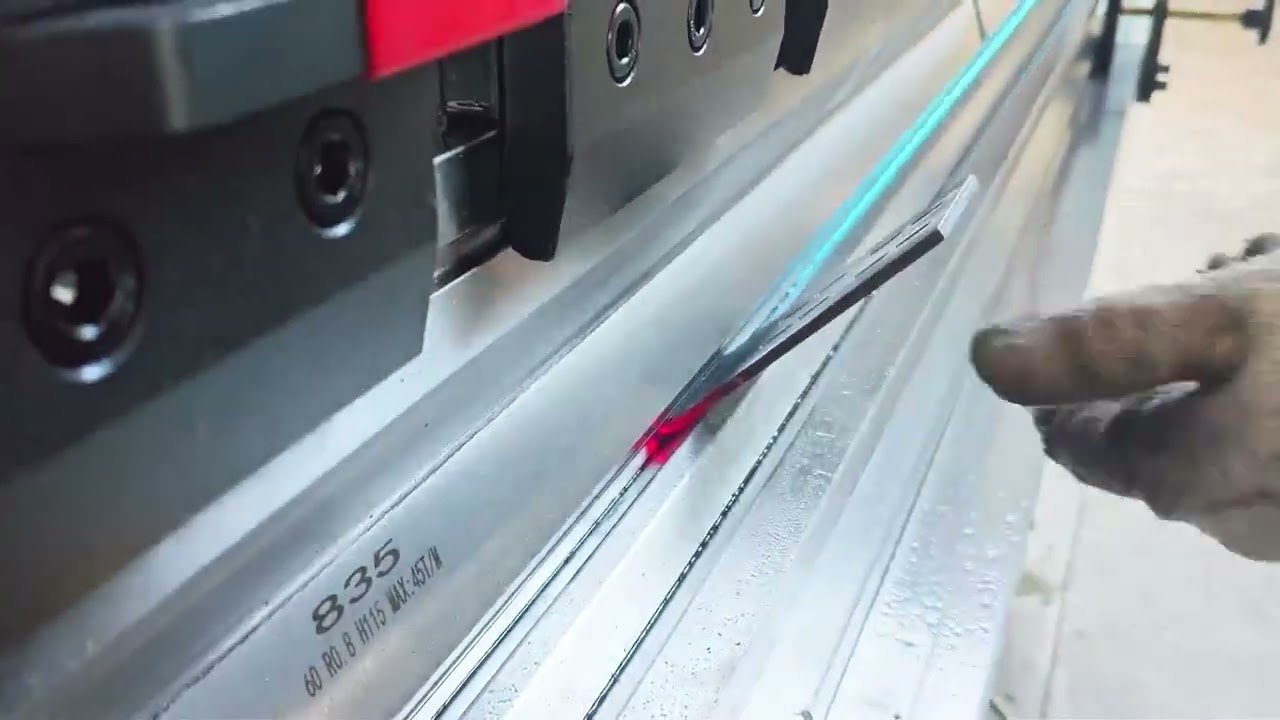
Common Tooling Problems
Tool Wear
Excessive wear affects angle consistency.
Incorrect V Opening
May cause cracking or excessive springback.
Tool Angle Mismatch
Results in inaccurate bending angles.
Poor Tool Alignment
Causes uneven bending across the workpiece.
Tooling Recommendations By Material Grade
201 Stainless Steel
- Lower cost
- Moderate hardness
- Standard tooling acceptable
304 Stainless Steel
- Most commonly used
- Requires accurate tooling setup
- Good balance of strength and formability
316 Stainless Steel
- Higher strength
- Greater springback
- Better tooling quality recommended
High Strength Stainless Steel
Requires:
- High-tonnage press brakes
- Precision tooling
- Accurate crowning compensation
Read our guide:
How Crowning Systems Improve Bending Accuracy
How To Improve Stainless Steel Bending Stability
Several factors help improve production consistency:
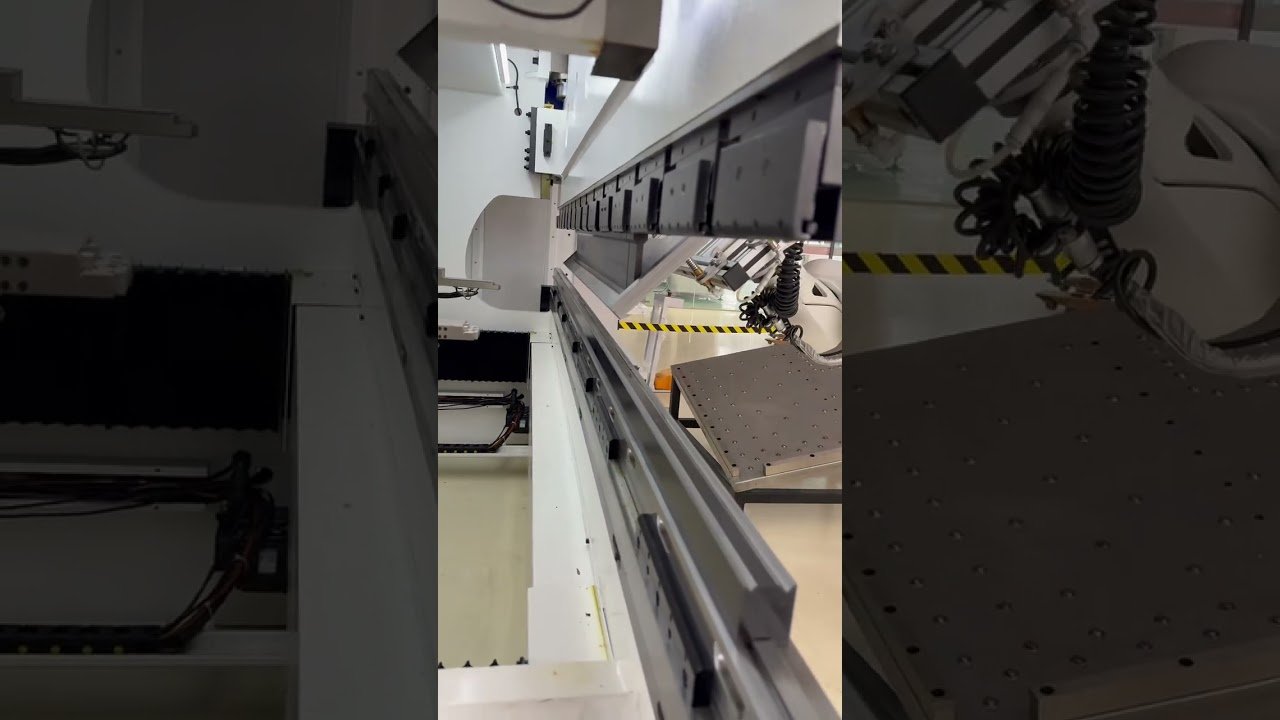
- Use high-precision servo CNC press brakes
- Correct crowning adjustment
- Regular tooling inspection
- Consistent material sourcing
- Proper CNC parameter settings
Real Factory Experience
A customer producing stainless steel elevator panels experienced severe surface marks and inconsistent angles.
After changing to mirror-polished tooling and optimizing V-opening selection:
- Surface defects were reduced
- Bending consistency improved
- Production efficiency increased
The customer reported significantly better product quality.
Conclusion
Choosing the right stainless steel press brake tooling is essential for achieving consistent bending quality, reducing defects, and improving productivity.
Whether selecting punches, dies, V openings, or tooling materials, proper tooling decisions directly affect final product quality.
For professional stainless steel bending solutions, please contact our engineering team.