
Bending angle deviation is one of the most common problems in sheet metal fabrication. Even small angle errors can lead to assembly issues, product inconsistency, material waste, and customer complaints.
For manufacturers working with stainless steel panels, electrical cabinets, elevator parts, or precision sheet metal products, stable bending accuracy is critical for maintaining production quality.
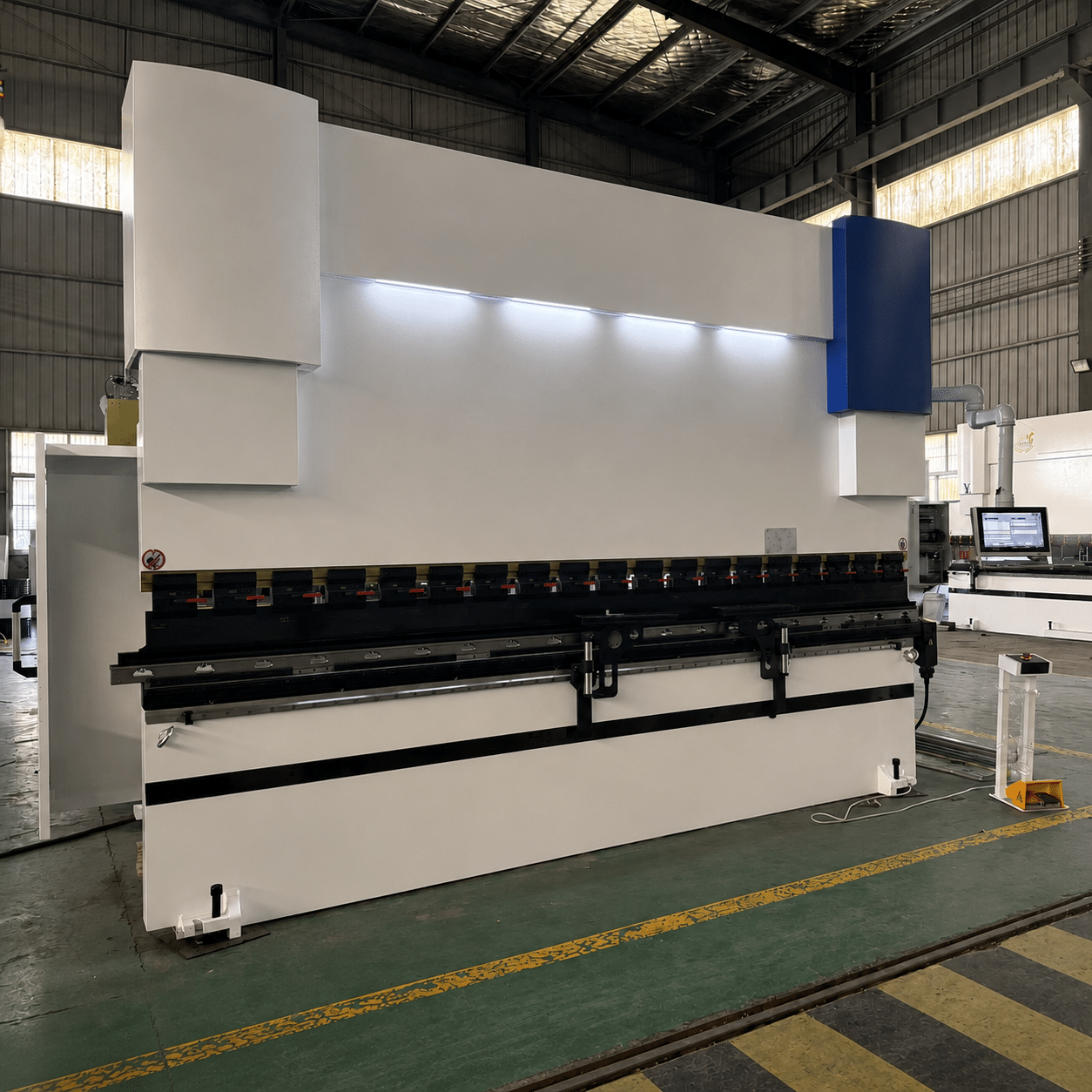
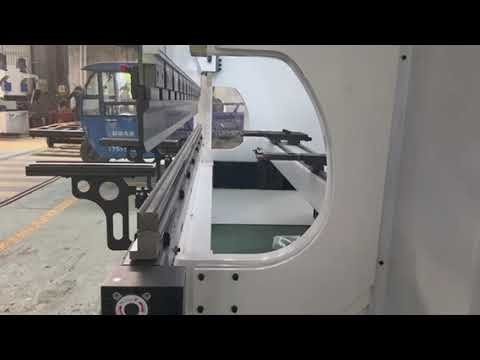
You can explore different CNC press brake machine solutions here.
What Is Bending Angle Deviation?
Bending angle deviation refers to the difference between the programmed bending angle and the actual finished angle after bending.
- The actual angle does not match the programmed angle
- Left and right bending angles are inconsistent
- Products in the same batch show unstable bending results
Material Problems That Cause Angle Deviation
Material consistency has a major impact on bending accuracy. If sheet thickness, hardness, or material batch changes, the final bending angle may also change.
Different Material Thickness
If sheet thickness varies, the bending result will also change, even with the same machine settings.
Material Hardness Differences
Different hardness levels affect springback behavior during bending.
Different Material Batches
Even materials with the same specification may perform differently between batches.
Stainless Steel vs Carbon Steel
Stainless steel usually has higher springback compared with carbon steel, requiring different compensation settings.
Tooling Problems That Affect Bending Accuracy
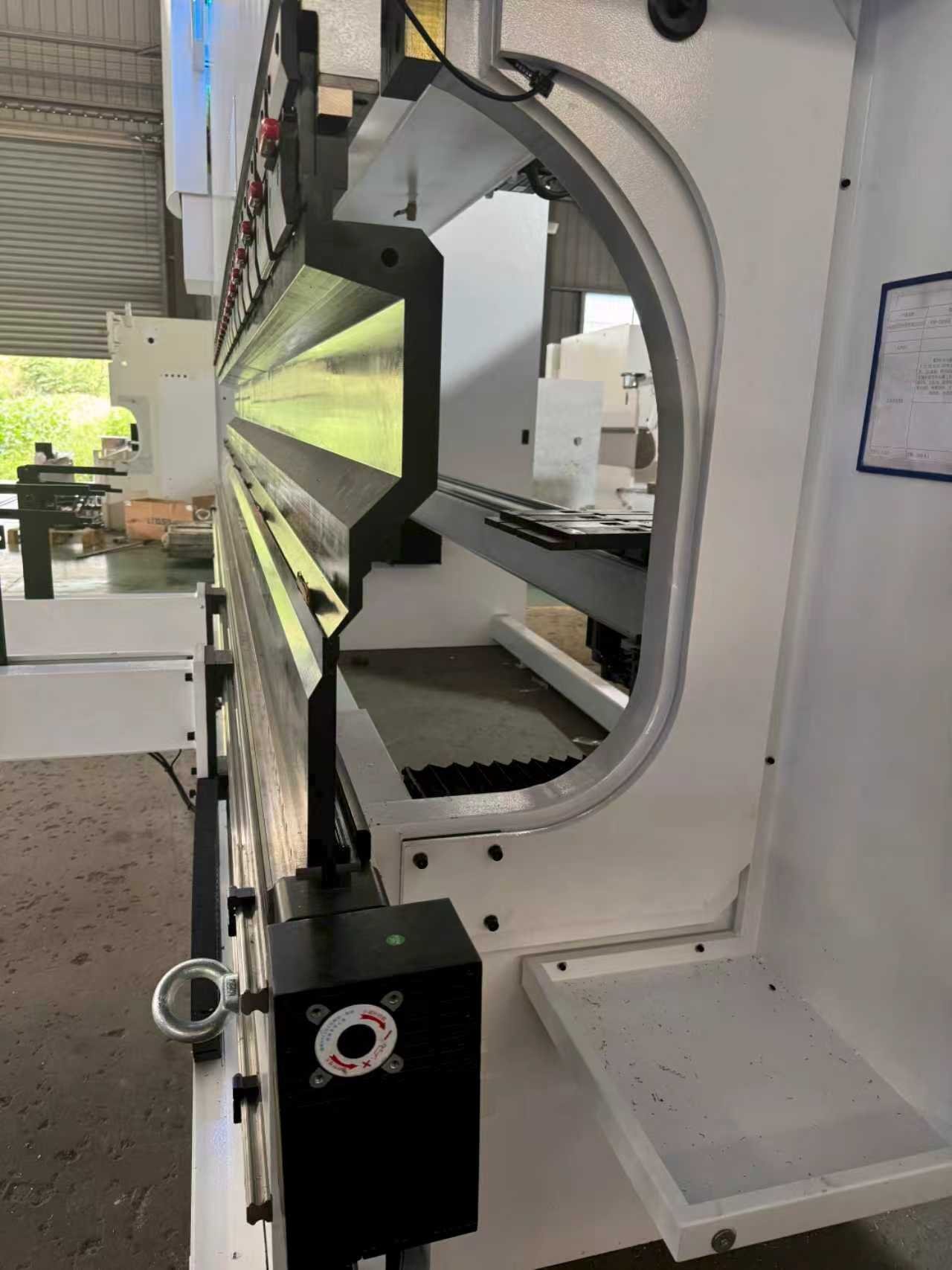
Incorrect V-Die Selection
Choosing the wrong V-groove size directly affects bending angle consistency.
Tooling Wear
Worn punches and dies reduce bending precision over time.
Improper Tool Alignment
If the upper and lower tooling are not correctly aligned, angle differences may appear across the workpiece.
Low Precision Tooling
Low-quality tooling may not maintain stable accuracy during continuous production.
Machine-Related Problems
Unstable Hydraulic Pressure
Traditional hydraulic systems may experience pressure fluctuations, affecting bending consistency.
Backgauge Positioning Errors
Inaccurate backgauge positioning can cause dimensional and angle deviations.
Y1/Y2 Synchronization Error
If the machine synchronization system is not calibrated properly, left and right bending angles may become inconsistent.
Incorrect Crowning Compensation
Poor crowning adjustment can lead to angle variation along the bending length.
Machine Frame Deformation
For long or heavy workpieces, frame deformation may also affect bending precision.
Operator and Programming Problems
Incorrect CNC Parameters
Wrong bending settings can easily create angle deviation.
Lack of Operator Experience
Operator skill still plays an important role in achieving stable bending quality.
Missing Angle Compensation
Without proper springback compensation, actual bending angles may differ from the target value.
Improper Bending Sequence
The bending order can influence material stress and final bending results.
How to Reduce Bending Angle Deviation
- Use high precision servo CNC press brake machines
- Select the correct tooling for the material
- Regularly calibrate the machine
- Maintain stable material quality
- Use angle measurement or angle correction systems
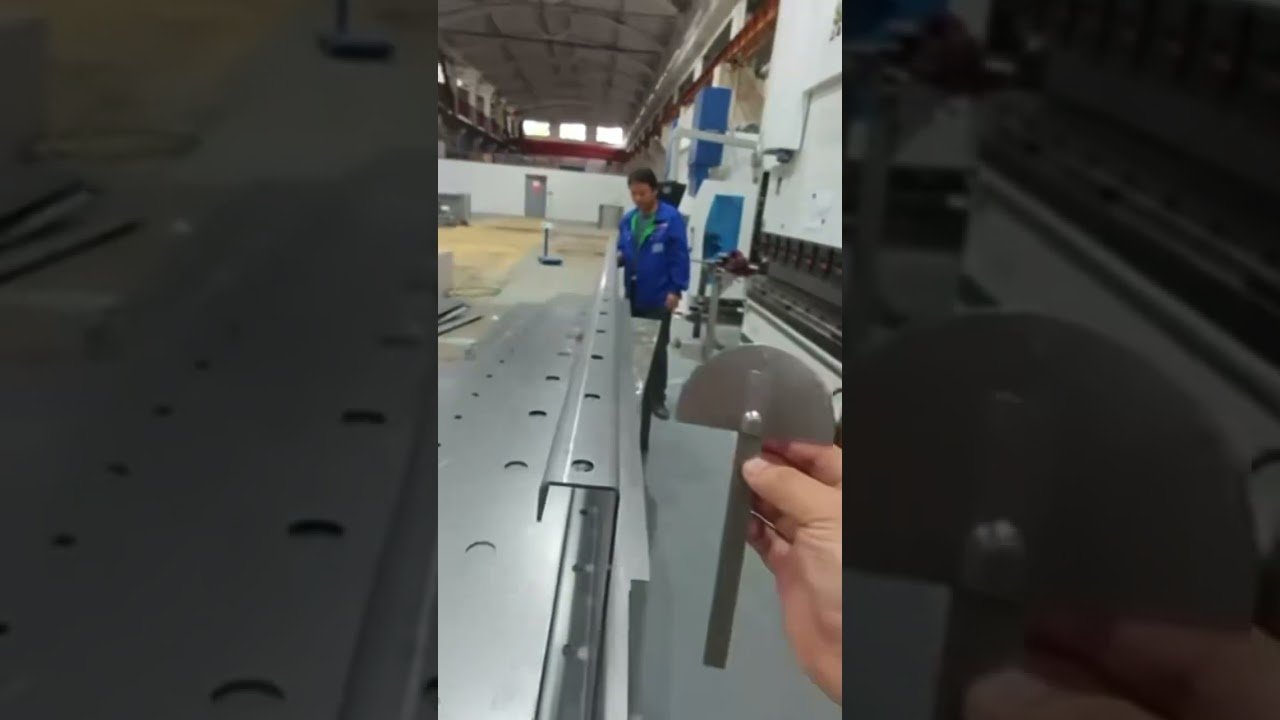
Video: Bending accuracy measurement and precision testing process.
Many factories are now upgrading to servo-controlled systems to improve bending consistency and reduce manual adjustment.
Real Factory Experience
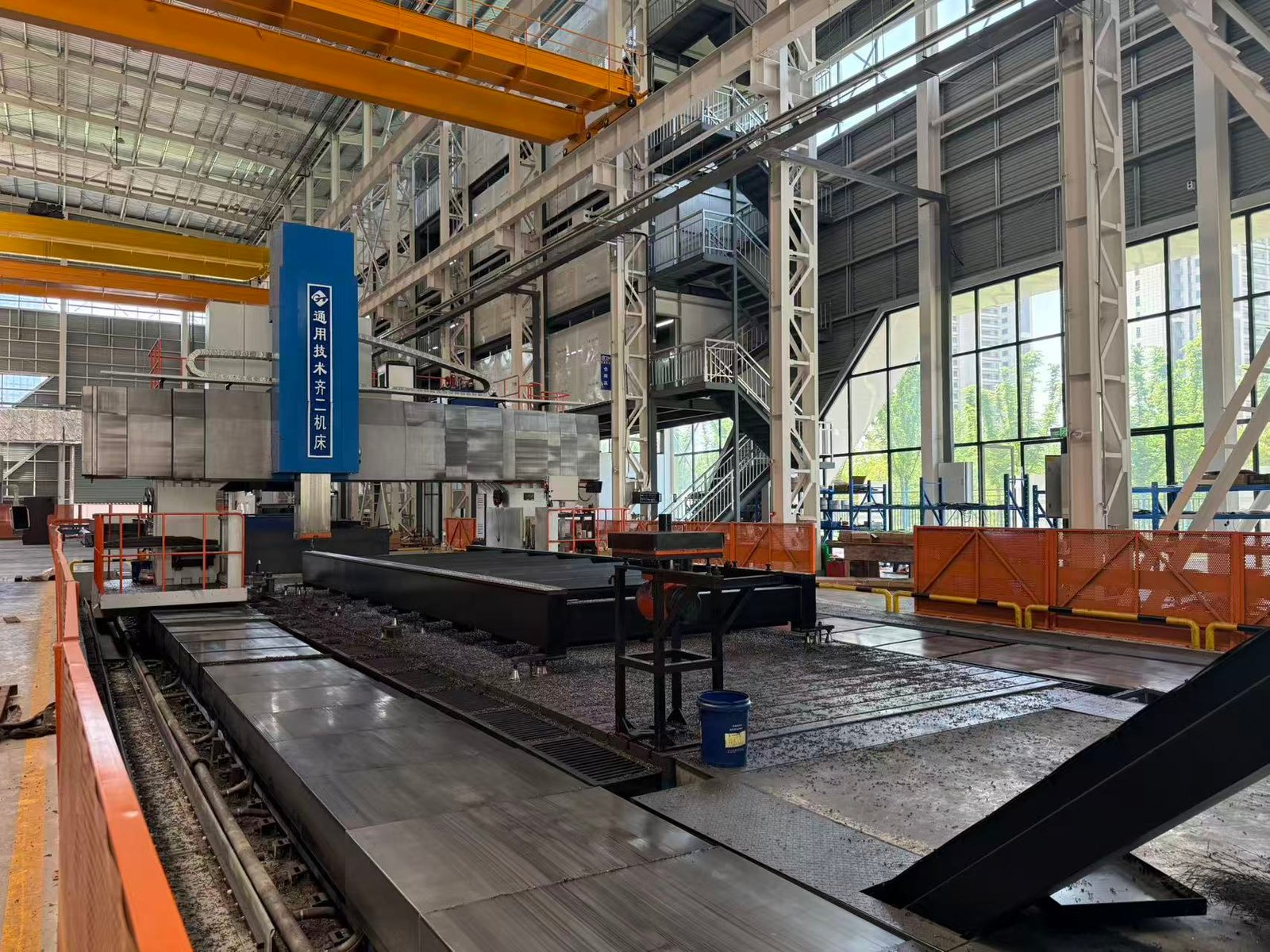
In actual production, many bending problems are caused by a combination of material variation, tooling wear, and machine setup.
For example, some factories processing stainless steel panels experienced unstable bending angles during batch production. After adjusting tooling selection and upgrading machine control accuracy, the bending consistency improved significantly.
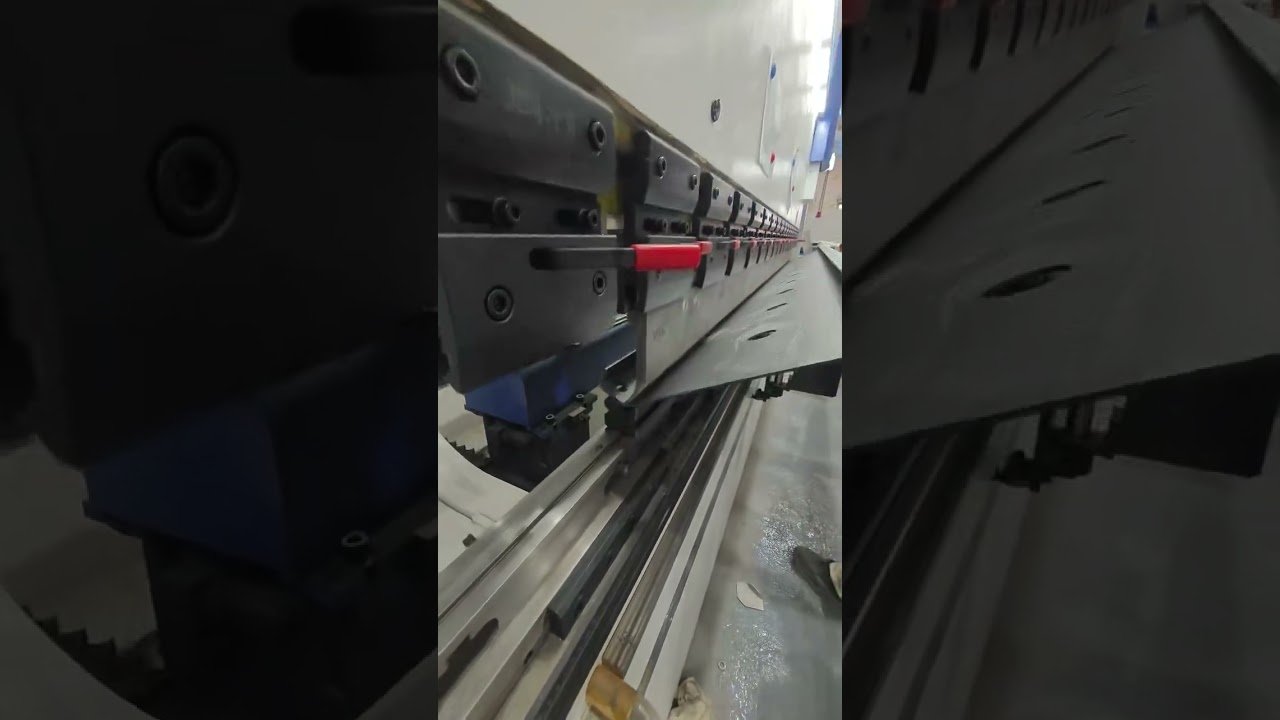
Stable production quality often comes from controlling every part of the process, not just the machine itself.
Final Thoughts
Bending angle deviation is a common challenge in sheet metal fabrication, but most problems can be reduced through proper machine setup, tooling selection, material control, and operator experience.
For manufacturers seeking better bending consistency and higher production efficiency, investing in stable CNC press brake systems can make a significant difference.
Contact us here if you need recommendations for improving bending accuracy in your production line.