Metal fabrication line planning is essential for manufacturers who want to improve efficiency, reduce costs, and scale production. A well-designed production line ensures smooth workflow from cutting to bending and final assembly.
Instead of purchasing machines separately, more companies today are choosing integrated solutions that combine multiple processes into one efficient system.
This guide will help you understand how to build a complete metal fabrication solution based on your real production needs. You can also explore more insights in our industry updates.
What Is a Metal Fabrication Line?
A metal fabrication line is a complete production system that includes multiple machines working together to process sheet metal.
Typically, a fabrication line includes:
- Cutting equipment (laser cutting)
- Bending equipment (press brake)
- Sheet preparation (shearing)
These machines work together to form a complete metal fabrication workflow.
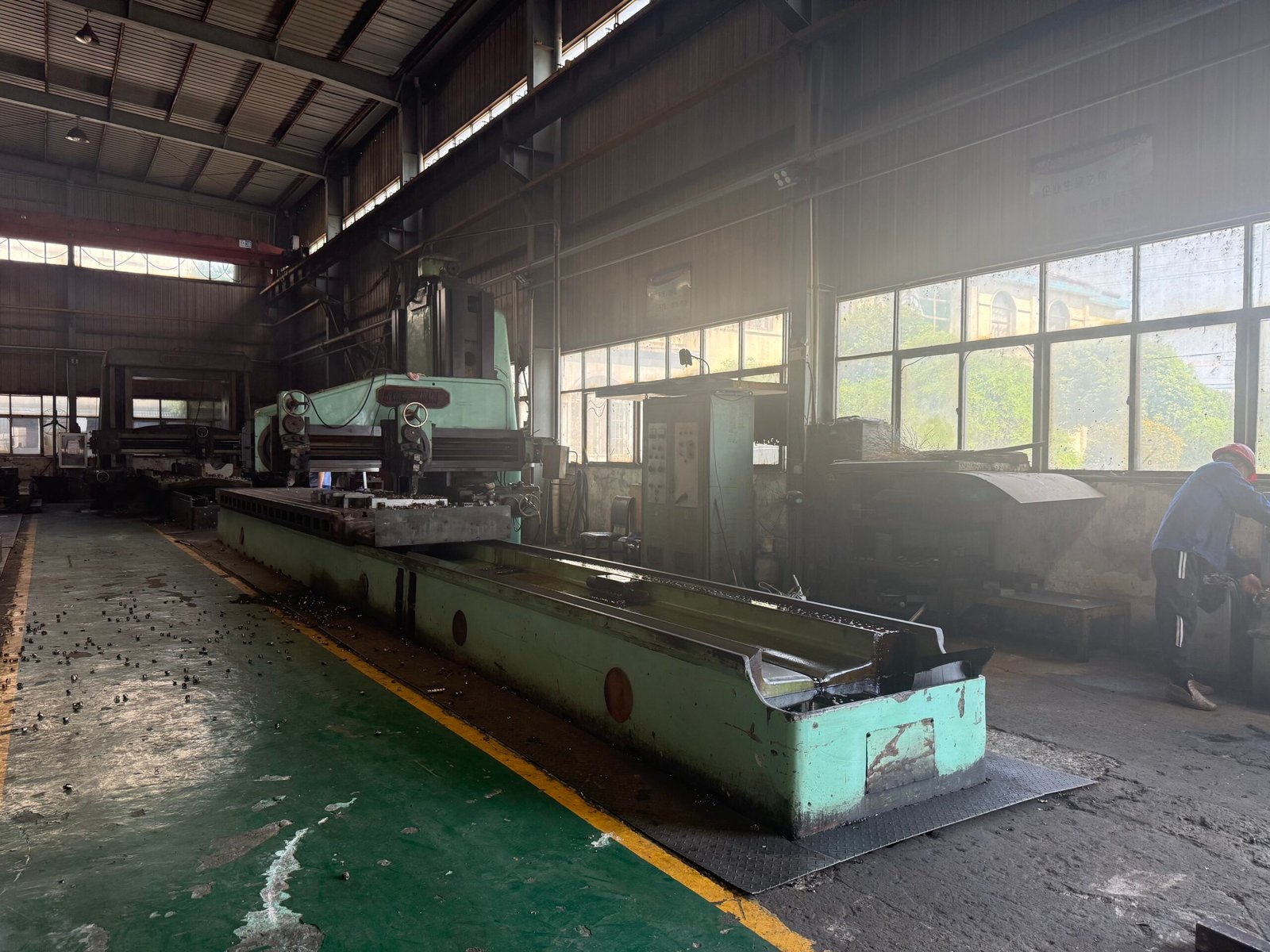
Core Machines in a Fabrication Line
1. Laser Cutting Machine
The laser cutting machine is responsible for high-precision cutting of metal sheets. It provides flexibility, speed, and accuracy.
- High precision cutting
- Fast processing speed
- Suitable for complex shapes
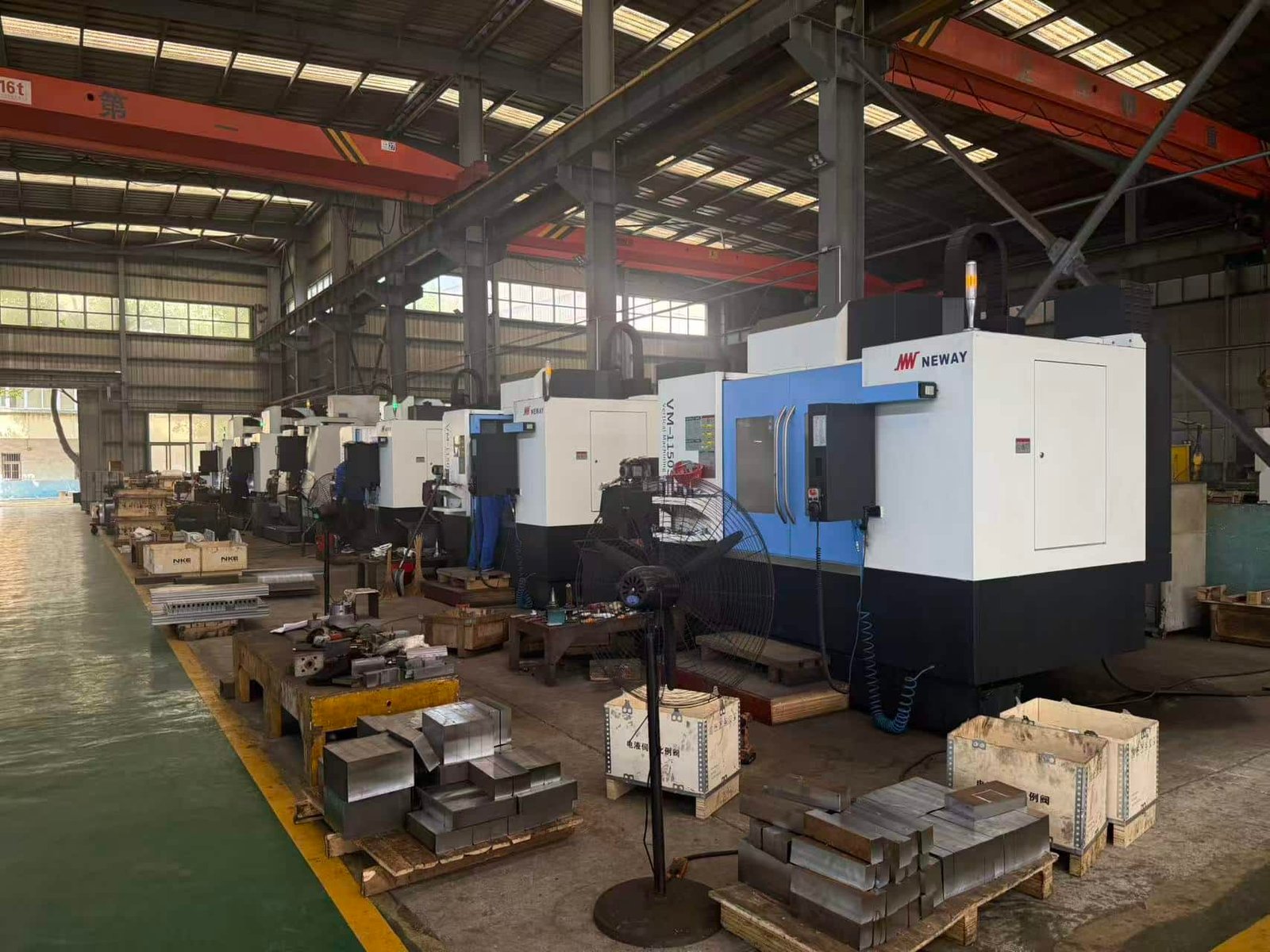
2. Press Brake Machine
The press brake machine is used to bend metal sheets into required shapes.
- High bending accuracy
- Flexible tooling options
- Suitable for different industries
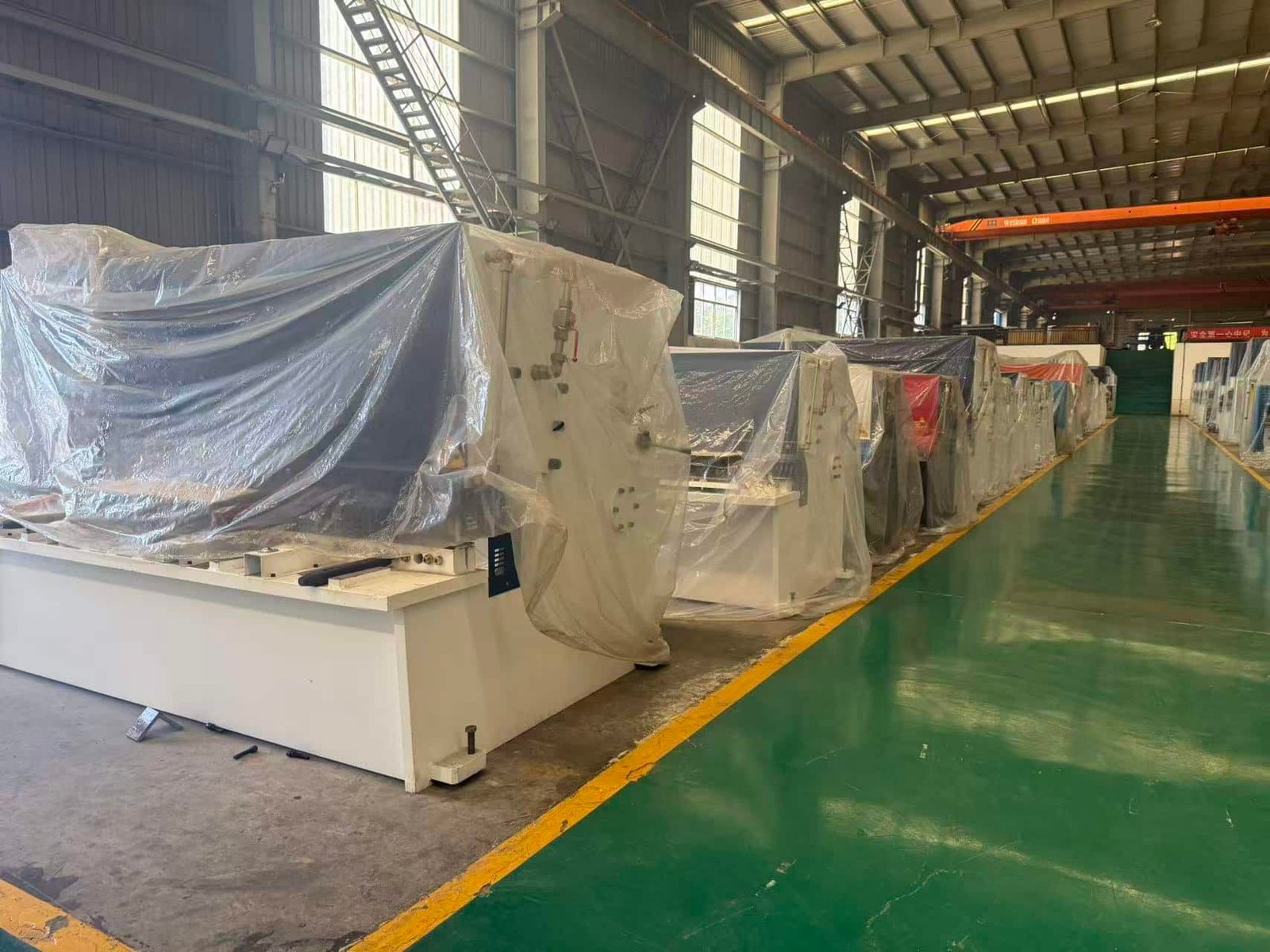
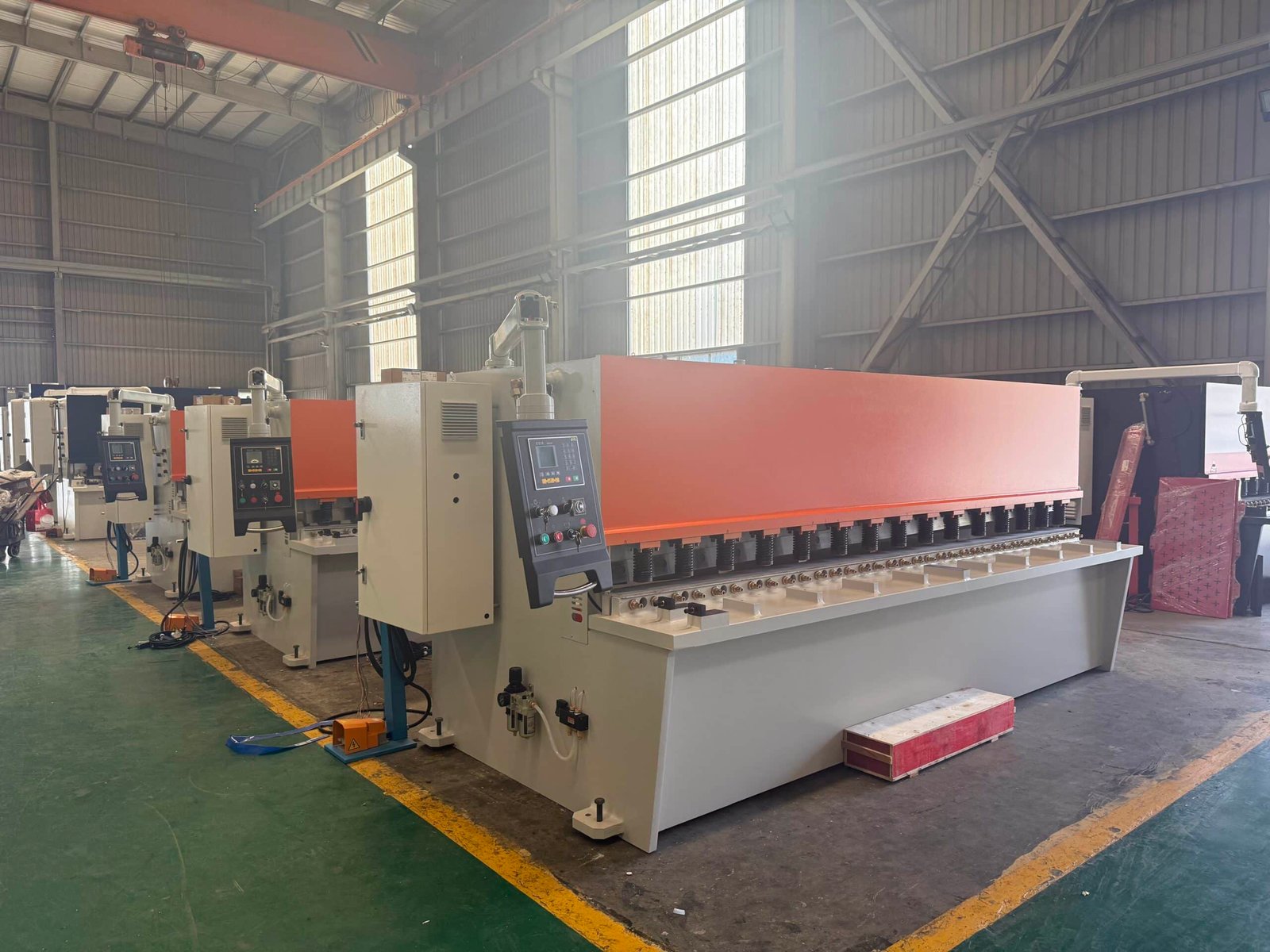
3. Shearing Machine
The shearing machine is used for straight cutting and sheet preparation.
- Efficient sheet cutting
- Cost-effective solution
- Essential for basic processing
How These Machines Work Together
A typical production process includes:
- Sheet preparation using shearing machine
- Precision cutting using laser cutting machine
- Bending and forming using press brake machine
This workflow ensures efficient production and minimizes material waste.
Learn more about how these machines integrate in a complete workshop setup.
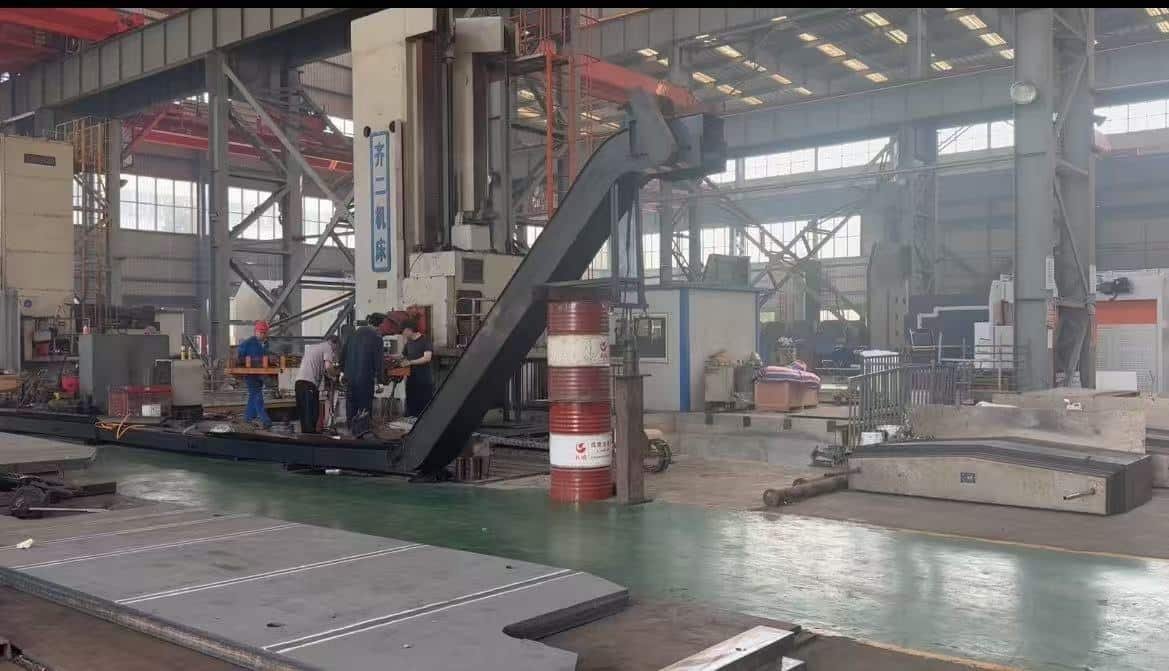
How to Design the Right Fabrication Line
Designing a fabrication line requires understanding your production requirements.
- Material type and thickness
- Production volume
- Product complexity
- Available workspace
A properly designed line ensures smooth operation and maximum efficiency.
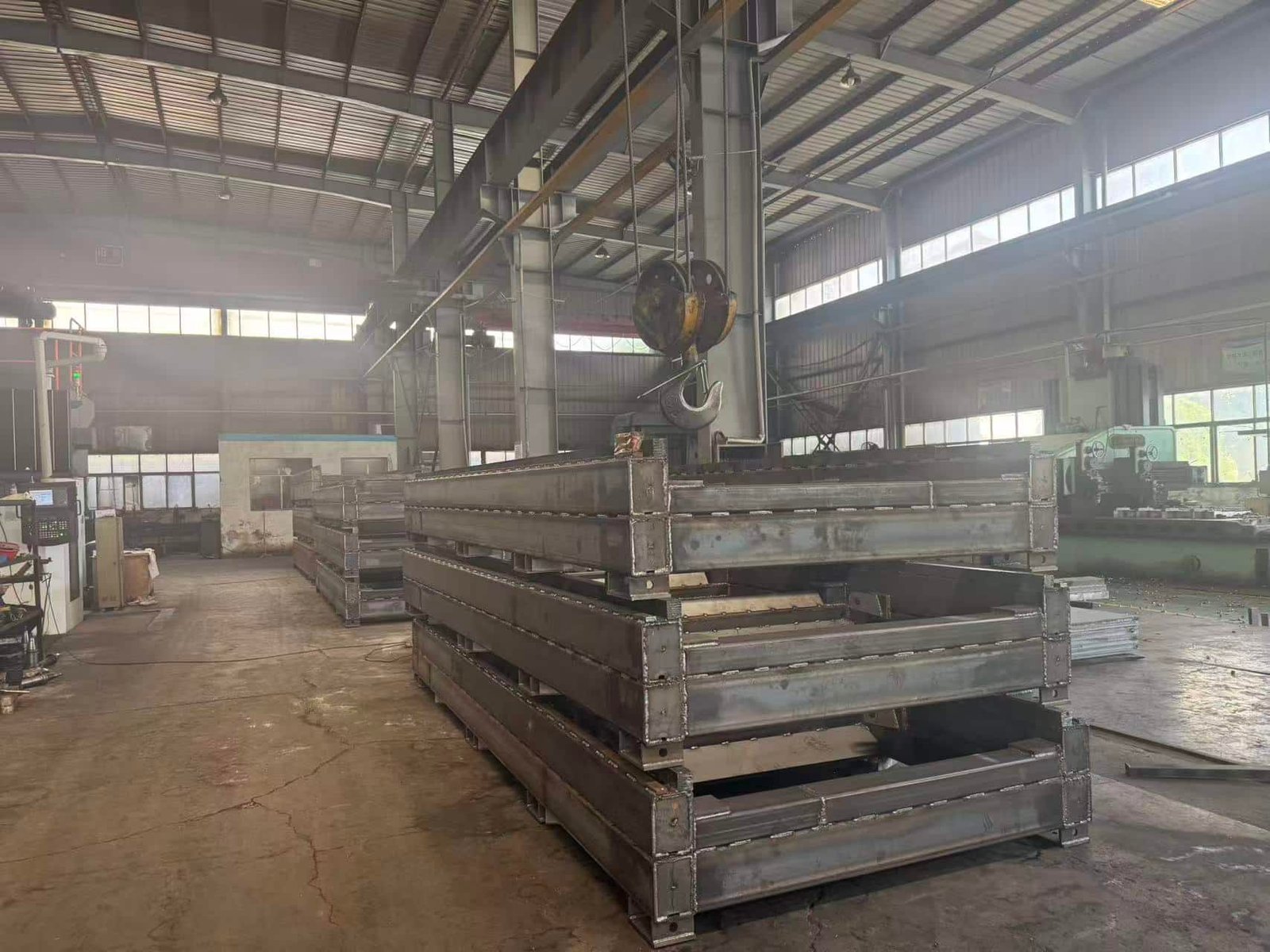
Industry Applications
Different industries require different configurations:
- automotive manufacturing – high efficiency and precision
- aerospace production – strict tolerances
- elevator systems – consistent batch production
- shipbuilding – heavy-duty processing
- construction industry – durability and cost control
Choosing the right setup depends heavily on your industry requirements.
Common Mistakes in Fabrication Line Planning
- Buying machines separately without integration planning
- Ignoring workflow efficiency
- Choosing equipment based on price only
- Not planning for future expansion
A complete solution always performs better than isolated equipment.
Why Choose a Complete Solution Supplier
Working with a solution-based supplier ensures that all machines are properly matched and optimized.
At DGSSP, we provide complete metal fabrication solutions tailored to your production needs. We help clients design efficient workflows, select the right machines, and optimize long-term performance.
Learn more about our experience on our About Us page.
Choosing a reliable partner for your metal fabrication line ensures better efficiency, lower costs, and long-term stability.
Conclusion
Building a complete metal fabrication line is not just about buying machines — it is about creating an efficient production system.
With the right combination of laser cutting, bending, and shearing, you can significantly improve productivity and competitiveness.
Get Your Complete Fabrication Line Solution
Looking to build or upgrade your metal fabrication line?
Contact us today to get a customized solution based on your production needs.