
Laser cutting machine selection is a critical decision for manufacturers looking to improve cutting precision, efficiency, and production capacity. Choosing the right machine can significantly impact your workflow and long-term profitability.
With many options available, including different power levels, configurations, and technologies, it can be difficult to determine which solution is best for your business. This guide will help you make the right choice based on real production needs.
You can also explore more insights in our industry updates section.
What Is a Laser Cutting Machine?
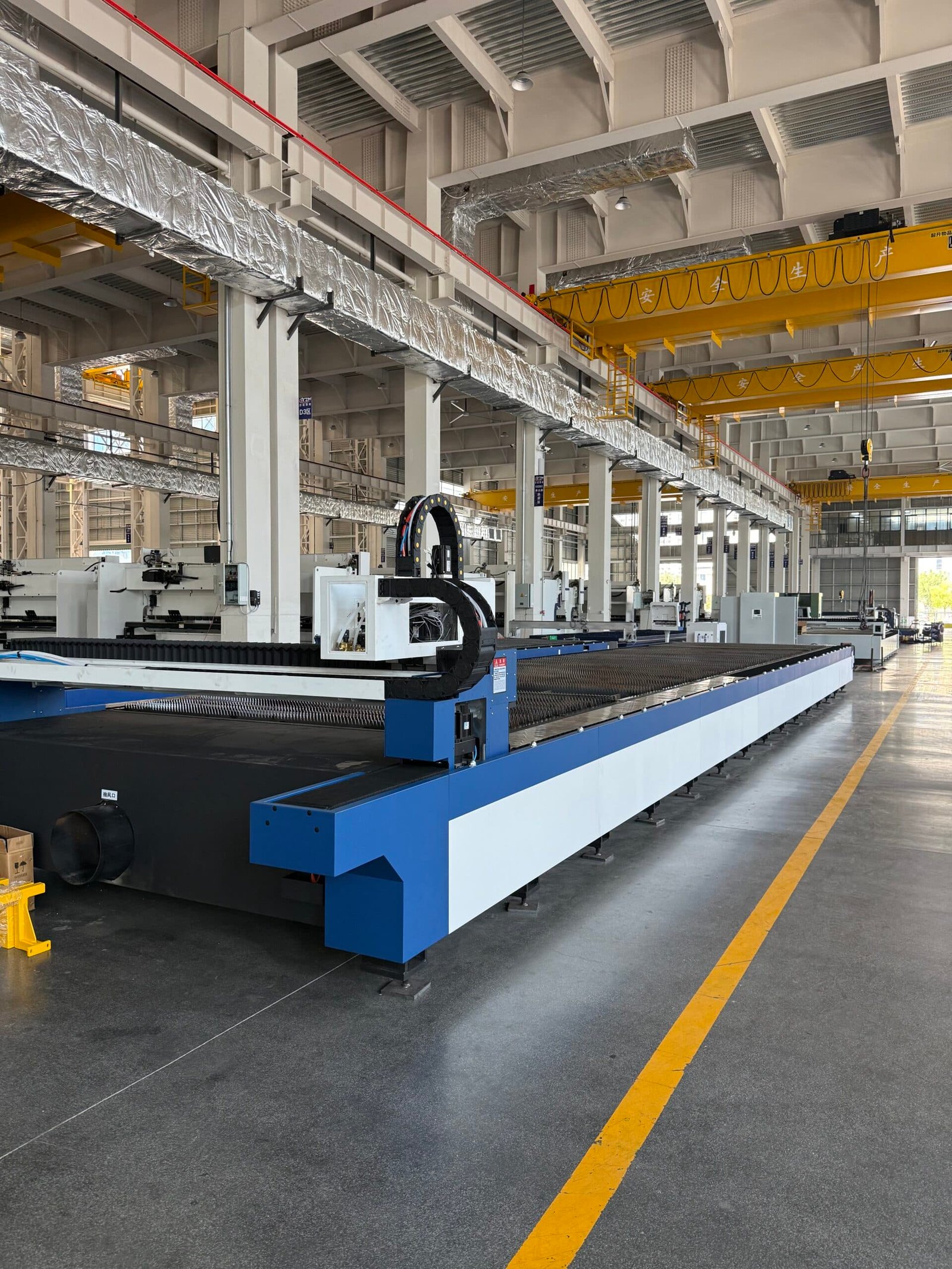
A laser cutting machine uses a high-powered laser beam to cut metal materials with high precision. It is widely used in industries such as automotive, aerospace, construction, and metal fabrication.
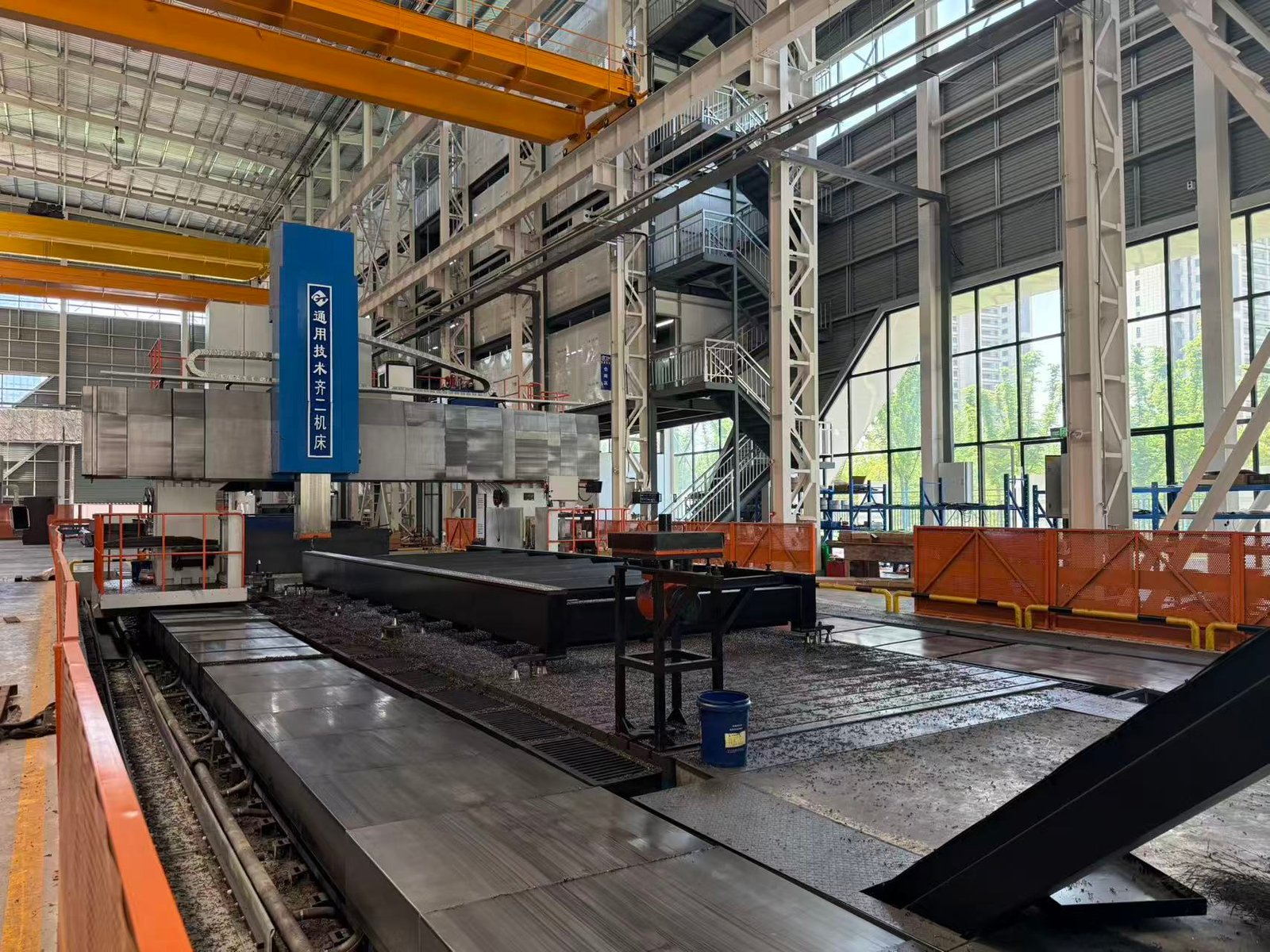
Laser cutting is often combined with press brake machines and shearing machines to create a complete metal fabrication production line.
Step 1: Define Your Cutting Requirements
Before selecting a machine, clearly define your production needs:
- Material type (carbon steel, stainless steel, aluminum)
- Material thickness
- Sheet size
- Production volume
These factors determine the required laser power and machine configuration.
Step 2: Choose the Right Laser Power
Laser power directly affects cutting capability and speed.
- 1000W–3000W: thin sheet cutting
- 3000W–6000W: medium thickness
- 6000W+: heavy-duty industrial cutting
Choosing the correct power ensures efficiency without unnecessary cost.
You can explore available configurations on our laser cutting machine page.
Step 3: Understand Fiber Laser Technology
Fiber laser machines are the most widely used today due to their high efficiency and low maintenance.
- Higher energy efficiency
- Lower operating cost
- Longer service life
Compared with older CO₂ systems, fiber lasers provide better performance for metal cutting applications.
Step 4: Consider Machine Structure and Components
Machine quality depends heavily on its components:
- Laser source (IPG, Raycus, etc.)
- Cutting head
- Motion system
- Control system
High-quality components ensure stability, precision, and durability.
Step 5: Match the Machine to Your Industry
Different industries require different machine configurations:
- automotive manufacturing requires high-speed cutting
- aerospace production requires precision
- elevator systems require consistent quality
- shipbuilding requires heavy-duty capability
- construction industry focuses on durability
Choosing a supplier with relevant industry experience is essential.
Common Mistakes When Buying a Laser Cutting Machine
- Choosing power based only on price
- Ignoring future production needs
- Not considering full production workflow
- Focusing only on machine price, not total cost
A well-balanced solution always delivers better long-term value.
How to Improve Cutting Efficiency
To maximize the performance of your laser cutting machine, proper setup and maintenance are essential.
- Use correct cutting parameters
- Maintain lenses and nozzles regularly
- Ensure stable gas supply
- Train operators properly
Even the best machine requires proper operation to achieve optimal results.
Why Work With a Solution-Based Supplier
Choosing a laser cutting machine is not just about the equipment — it is about finding the right solution for your production.
At DGSSP, we provide customized configurations based on your real application needs. We help clients balance performance, cost, and long-term reliability.
Learn more about our experience on our About Us page.
Conclusion
Choosing the right laser cutting machine requires understanding your materials, selecting the correct power, and working with a reliable supplier.
A well-configured machine can improve productivity, reduce waste, and increase your competitiveness.
Get a Custom Laser Cutting Solution
Looking for the right laser cutting machine for your business?
Contact us today to get a tailored solution based on your requirements.