
Press brake machine selection is one of the most important decisions for any metal fabrication business. The right machine can improve bending accuracy, increase efficiency, and reduce long-term costs.
However, many buyers struggle with choosing the right model, tonnage, and configuration. This guide will help you understand how to select the best solution based on your real production needs.
If you are new to sourcing equipment, you may also want to read our latest CNC machine insights.
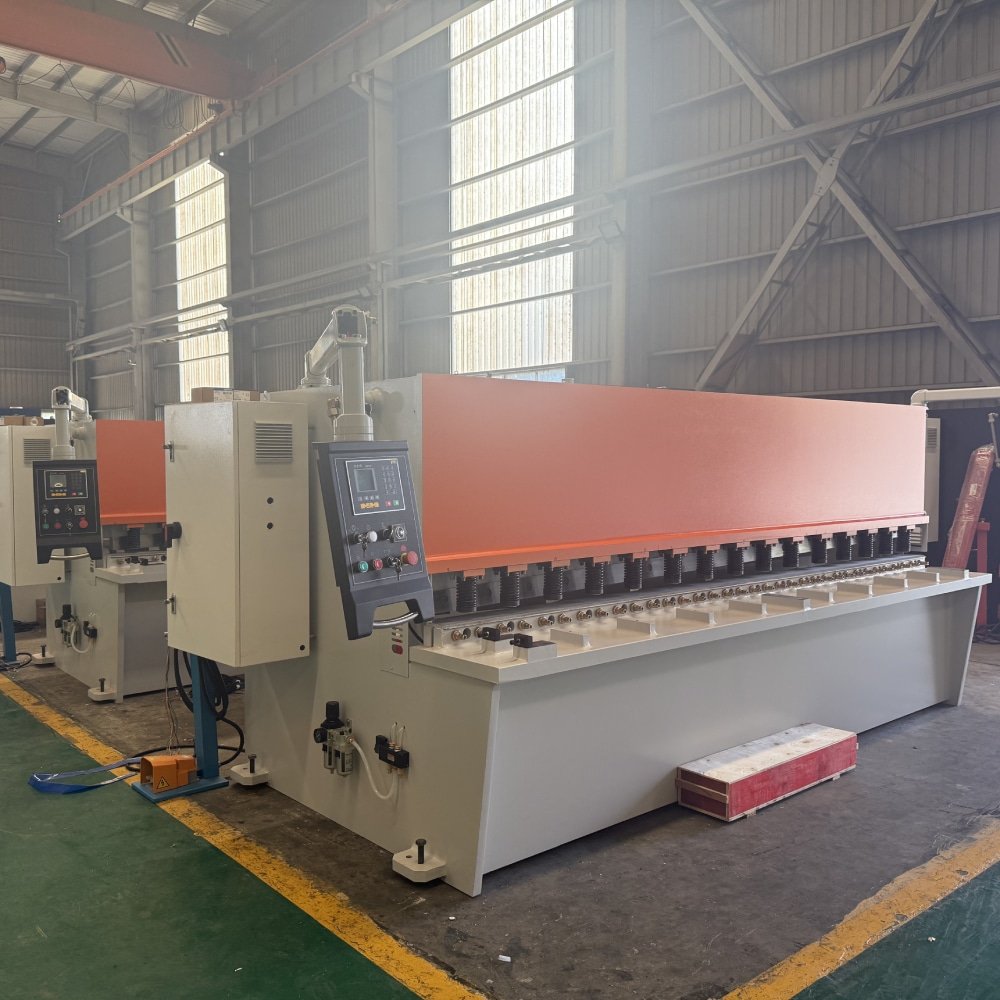
What Is a Press Brake Machine?
A press brake machine is used to bend sheet metal into specific shapes using a punch and die. It is widely applied in industries such as metal fabrication, construction, automotive, and industrial equipment production.
It is often used together with equipment like fiber laser cutting machines and shearing machines to form a complete metal fabrication workflow.
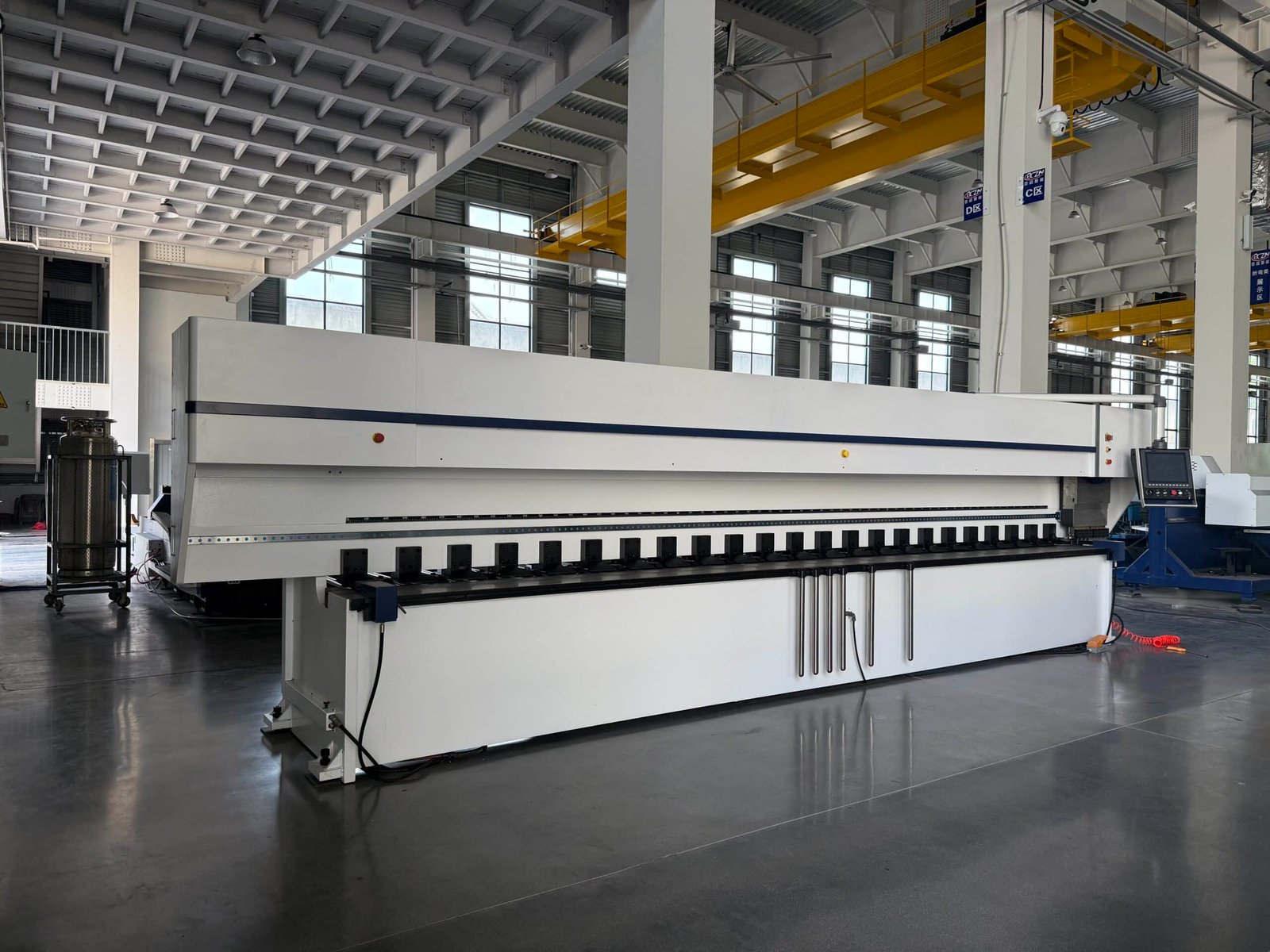
Step 1: Determine Your Bending Requirements
Before choosing a machine, you need to clearly define your production needs:
- Material type (steel, stainless steel, aluminum)
- Material thickness
- Bending length
- Production volume
These factors directly determine the tonnage and machine size you need.
Step 2: Choose the Right Tonnage
Tonnage determines how much force the machine can apply. Choosing too low can lead to poor bending results, while too high increases cost unnecessarily.
A reliable supplier will help calculate the correct tonnage based on your material and thickness.
When working with a professional press brake supplier, this step becomes much easier.
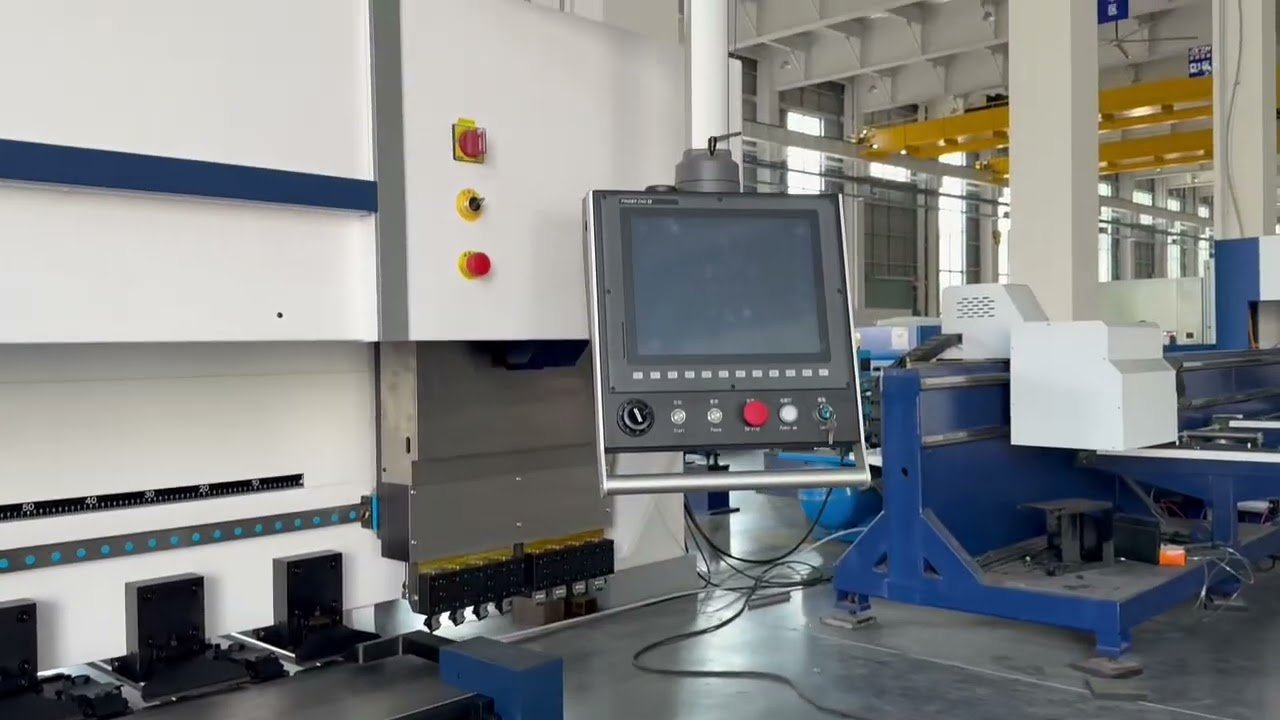
Step 3: Understand CNC Controller Options
The CNC controller is the brain of the machine. Popular systems include:
- Delem (Netherlands)
- ESA (Italy)
- Cybelec (Switzerland)
Different controllers offer different levels of automation, ease of use, and programming capability.
Choosing the right controller depends on your operator experience and production complexity.
Step 4: Consider Tooling and Precision
Tooling plays a major role in bending accuracy and flexibility.
- Standard tooling for general use
- Custom tooling for special shapes
- Quick-change systems for efficiency
High-quality tooling ensures consistent bending results and longer service life.
Step 5: Evaluate Machine Structure and Build Quality
Machine frame and assembly quality affect long-term performance.
Key factors include:
- Frame stability
- Hydraulic system quality
- Backgauge accuracy
Even machines with similar specifications can perform very differently depending on build quality.
Step 6: Match the Machine to Your Industry
Different industries have different requirements. For example:
- automotive manufacturing requires high precision
- aerospace production requires strict tolerance
- elevator systems require consistent batch production
- shipbuilding requires heavy-duty machines
- construction industry focuses on durability and cost efficiency
Choosing a supplier with experience in your industry will improve your results significantly.
Common Mistakes When Buying a Press Brake Machine
- Choosing the cheapest option only
- Ignoring configuration details
- Not considering future production needs
- Overpaying for unnecessary features
A well-balanced machine is always better than an over-specified or underpowered one.
Why Work With a Solution-Based Supplier
Buying a machine is not just about hardware — it’s about finding the right solution.
At DGSSP, we provide customized configurations based on your real production requirements. Instead of offering standard machines only, we help clients optimize performance, cost, and efficiency.
You can learn more about our experience on our About Us page.
How to Improve Press Brake Performance
To get the best performance from your press brake machine, it is important to follow proper operation and maintenance practices. Regularly checking tooling alignment, hydraulic systems, and CNC settings can significantly improve bending accuracy.
Operator training is also essential. Even a high-quality press brake machine will not perform well without proper setup and programming. Working with an experienced supplier can help ensure your machine is correctly configured from the beginning.
Conclusion
Choosing the right press brake machine requires understanding your needs, selecting the right configuration, and working with the right supplier.
A well-chosen machine can improve efficiency, reduce waste, and increase your overall production capability.
Get a Custom Press Brake Solution
Looking for the right press brake machine for your business?
Contact us today to get a tailored recommendation based on your project requirements.