
Choosing the right press brake tooling selection is not just a technical step—it directly determines your bending accuracy, production efficiency, and long-term cost.
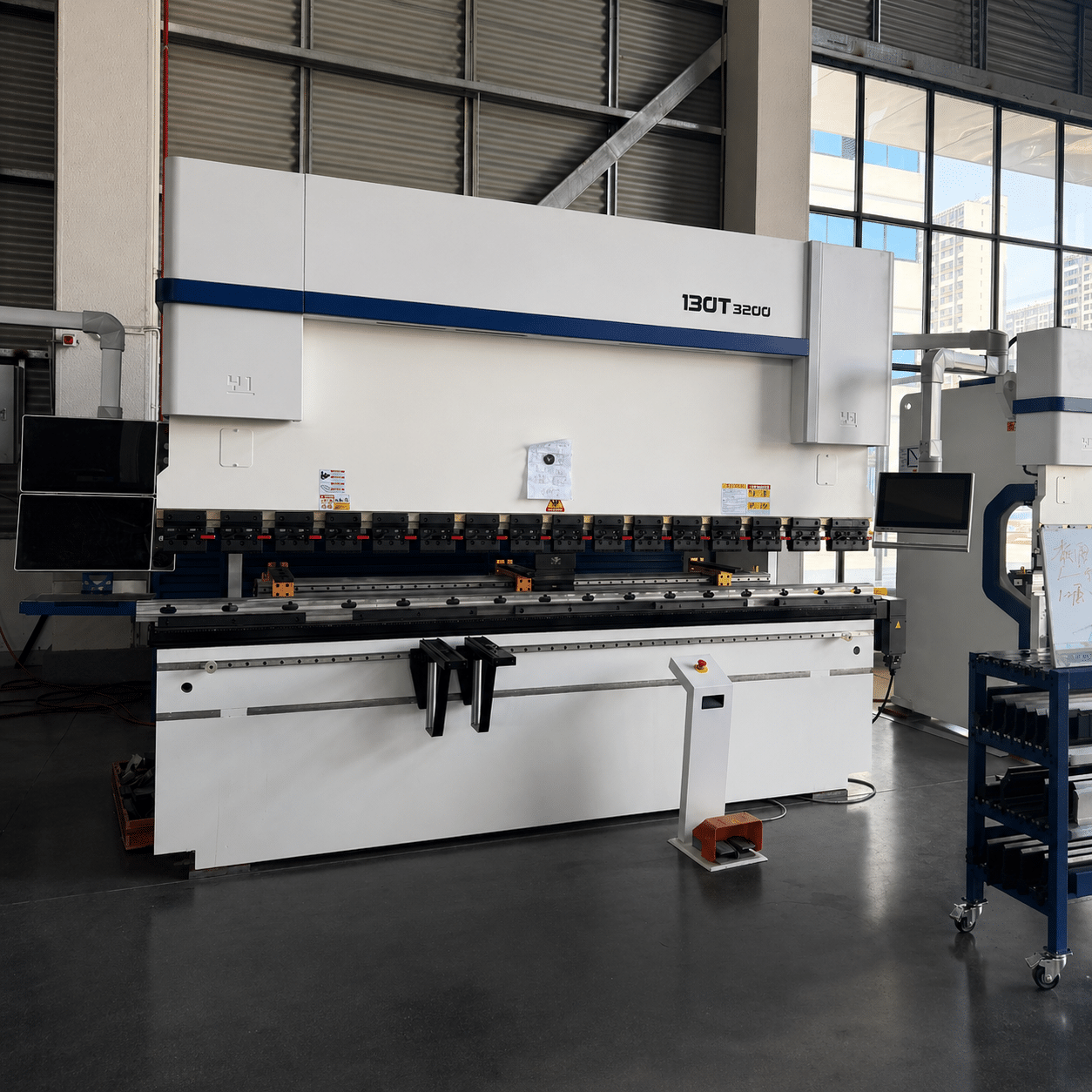
Many manufacturers invest heavily in advanced machines like
CNC press brakes,
but still struggle with inconsistent bending results. In most cases, the real problem is not the machine—it’s the tooling.
What Problem Are You Actually Solving?
Before selecting tooling, you need to answer one key question:
What kind of bending result do you need?
- High precision (±0.1° tolerance)?
- High volume production?
- Complex shapes or deep bending?
Different answers lead to completely different tooling decisions.
Core Principle: Tooling Must Match Material Behavior
The biggest mistake in press brake tooling selection is ignoring material behavior.
- Stainless steel → high springback → requires tighter tooling control
- Aluminum → softer → risk of surface damage
- Thick plate → requires larger V-die opening
Machines like the
pump-controlled CNC press brake
can adjust pressure dynamically—but tooling must still be correctly selected.
The Most Important Rule: V-Die Selection
A simple but critical rule:
V-die opening = 6–8 × material thickness
Wrong selection leads to:
- Too small → cracks and tool wear
- Too large → angle instability
This single factor determines over 60% of bending quality.
Choosing the Right Punch: Precision vs Flexibility
Punch selection depends on your product geometry.
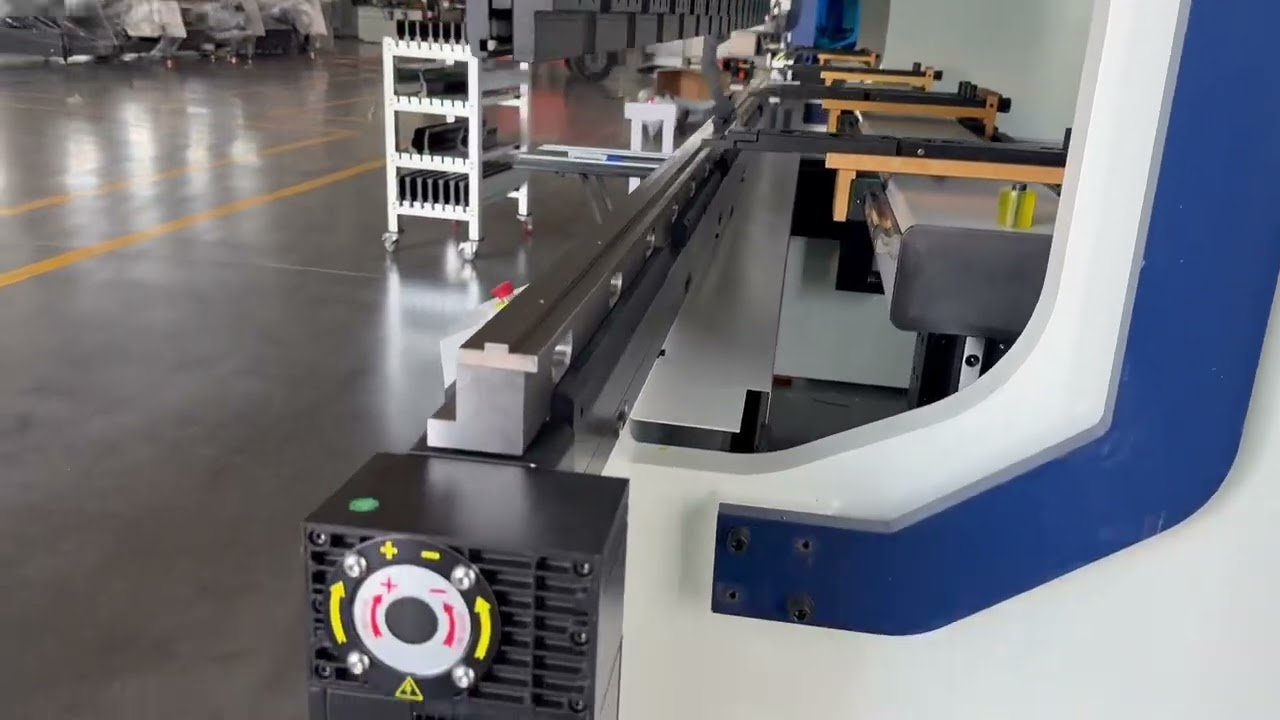
- Straight punch → simple bending
- Gooseneck punch → deep or complex bending
- Segmented punch → flexible production
For advanced applications, machines like the
electro-hydraulic CNC press brake
require precision-ground tooling.
Real Production Scenario: Why Tooling Fails
In real workshops, tooling problems usually come from:
- Mismatch between tooling and material
- Ignoring springback compensation
- Using universal tooling for all jobs
- Poor alignment or worn tooling
These issues are common in
metal fabrication workshops
where production variety is high.
High-Precision vs Standard Production: Different Tooling Strategy
If you’re working in industries like
aerospace
or
automotive manufacturing,
your tooling must meet stricter standards.
- Precision-ground tooling
- High wear resistance
- Stable repeatability
For high-end applications, consider systems like the
full electric CNC press brake.
Tooling Selection = System Design, Not Product Choice
The biggest mindset shift:
You are not buying tooling—you are designing a bending system.
This includes:
- Machine capability
- Tooling configuration
- Material properties
- Operator skill level
Conclusion: The Right Tooling Saves More Than It Costs
A proper press brake tooling selection improves quality, reduces scrap, and increases efficiency.
If you are unsure how to configure your tooling, explore our
press brake solutions
or contact our engineers
for a tailored recommendation.